Table of Contents
ToggleNobody wants to discover a cockroach skittering across the kitchen floor at 2 a.m. or find termite damage hiding behind drywall. For Denton homeowners, pest control isn’t just about comfort, it’s about protecting your investment and your family’s health. Whether you’re dealing with an active infestation or trying to prevent one from taking hold, understanding your options separates a quick fix from a lasting solution. This guide walks you through the pests you’re most likely to encounter in the Denton area, practical DIY strategies you can tackle yourself, when to bring in the professionals, and how to choose a reliable pest control company that won’t oversell you unnecessary treatments.
Key Takeaways
- Denton’s warm, humid climate attracts termites, cockroaches, fire ants, mosquitoes, and rodents year-round, making proactive denton pest control essential for protecting your home’s structure and family health.
- DIY methods like diatomaceous earth, caulking, snap traps, and mosquito dunks can handle minor infestations, but always prioritize safety by wearing gloves, masks, and reading product labels carefully.
- Sealing entry points as small as ¼ inch, managing moisture, and maintaining aggressive cleaning habits prevent up to 80% of pest problems before they start.
- Professional intervention is necessary for termite infestations, severe cockroach problems, bed bugs, large rodent colonies, and dangerous wasp nests that DIY approaches cannot adequately address.
- When choosing a pest control company in Denton, verify Texas Department of Agriculture licensing, compare detailed written estimates from at least three providers, and prioritize companies offering integrated pest management (IPM) and warranties over low-cost options.
Common Pests Affecting Denton Homes
Denton’s warm, humid climate creates ideal conditions for several persistent pests year-round. Understanding what you’re up against helps you target prevention and treatment efforts.
Termites are among the most destructive. These wood-eating insects cause billions in property damage nationally each year. In Denton’s clay-heavy soil, subterranean termites thrive, building mud tubes from the ground to your home’s wooden framing. Unlike carpenter ants, which hollow out wood but don’t eat it, termites consume the cellulose itself.
Cockroaches adapt faster than most pests. German cockroaches, the smaller variety, multiply rapidly indoors, thriving in kitchens and bathrooms where moisture and food scraps accumulate. American cockroaches, larger and flatter, often enter homes through drainage systems or foundation cracks.
Fire ants are aggressive and painful. Unlike most ant species, fire ants build mounds and defend them aggressively, delivering a sting that burns for hours. Their electrical activity around outdoor air conditioning units and foundations can cause real problems.
Mosquitoes breed in standing water, birdbaths, clogged gutters, flower pot saucers, and don’t need much. Even a bottle cap of water can harbor larvae. Denton’s warm season extends their activity well into fall.
Spiders aren’t technically pests in the pest-control sense (they eat other insects), but brown recluse and black widow spiders pose genuine health risks. Brown recluse bites cause necrotic skin lesions: black widows are venomous.
Rodents (rats and mice) squeeze through openings the size of a dime and contaminate food, insulation, and wiring. Once they’re inside, they reproduce rapidly, a single female can produce 5–10 litters annually.
DIY Pest Control Methods for Denton Residents
Not every pest problem requires a professional. Minor infestations or early-stage concerns often respond well to targeted, methodical DIY action.
For roaches and general insects: Start with diatomaceous earth (DE), a powder made from fossilized algae. Food-grade DE works by damaging insects’ exoskeletons without toxins. Dust it along baseboards, under sinks, and behind appliances where roaches hide. Wear a dust mask when applying, fine particles irritate lungs. DE loses effectiveness when wet, so reapply after cleaning or moisture events.
Caulking gaps around plumbing, baseboards, and electrical outlets blocks entry and harbors for roaches and other pests. Use paintable silicone caulk, which remains flexible and won’t crack as your home settles.
For termites: If you spot mud tubes or wood damage, don’t panic immediately. Surface-level spot treatments with liquid termiticide (products containing bifenthrin or imidacloprid) can slow damage temporarily. Inject the liquid into damaged wood using a caulking gun and specialized injector tips. But, this is a temporary measure. Subterranean termites live in soil, and stopping them long-term requires a chemical barrier around the home’s perimeter, a job best left to licensed professionals.
For rodents: Spring-loaded snap traps are still the most effective DIY tool. Bait them with peanut butter and position them perpendicular to walls where droppings or rub marks indicate travel routes. Wear gloves when setting and checking traps: rodents carry hantavirus and other pathogens. Electronic traps work faster than snap traps but cost more. Poison baits are less effective in homes because rodents hide to die, creating odor and decomposition problems in walls, avoid them.
For mosquitoes: Standing water is the culprit. 24/7 Pest Control: Your addresses urgent mosquito problems, but prevention starts at home. Empty saucers under planters weekly, clean gutters every three months, keep birdbaths circulating, and don’t let puddles sit after rain. Mosquito dunks, pellets containing Bacillus thuringiensis israelensis (a naturally occurring bacteria), kill larvae in standing water without harming people or pets.
Key safety rule: Always wear nitrile gloves when handling any pest control product, dust mask when applying powders, and eye protection if you’re spraying. Read every label. Some DIY products are outdoor-only: using them indoors is both ineffective and a health hazard.
Prevention Strategies That Actually Work
Prevention beats treatment every time. Small, consistent habits compound over months and years.
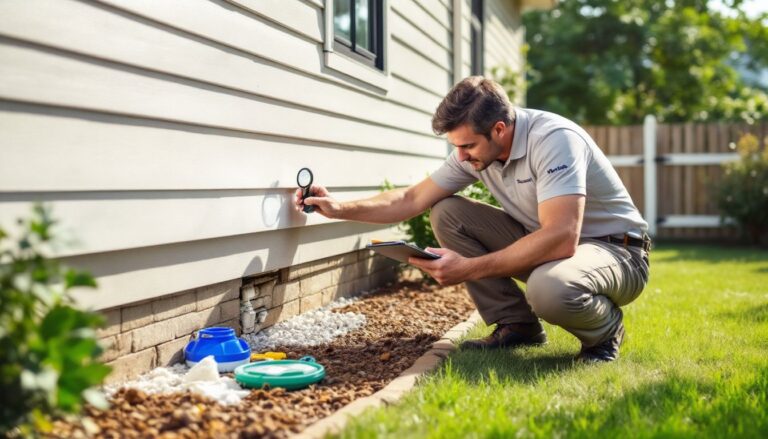
Seal entry points. Walk your home’s exterior with a flashlight. Look for cracks in foundation mortar, gaps around pipe penetrations, holes in soffit vents, and damaged screen mesh. Rodents squeeze through openings as small as ¼ inch. Use steel wool and caulk to block gaps (rodents can’t chew through steel wool), and replace damaged door sweeps and weatherstripping. This single task prevents 80% of rodent problems.
Manage moisture. Pests need water. Fix dripping outdoor faucets, regrade soil around downspouts so water slopes away from the foundation, ensure crawl space vents aren’t blocked, and run bathroom and kitchen exhaust fans during and 15 minutes after showers or cooking. In Denton’s humid climate, a dehumidifier in basements keeps moisture below 50%, which deters cockroaches and dust mites.
Clean aggressively. Pests eat crumbs, grease, and cardboard. Sweep floors daily, wipe down stovetops, don’t leave dishes in sinks overnight, and take trash out frequently. Store dry goods in airtight containers, pests can chew through paper boxes and bags. Keep kitchen appliances pulled away from walls so you can clean underneath and spot infestations early.
Trim vegetation. Tree branches brushing your roof give pests a highway directly onto the house. Prune branches 6–8 feet away from walls. Stack firewood at least 20 feet from the house: it harbors termites, spiders, and rodents. Remove dead wood and leaf litter from gutters and roof valleys, debris traps moisture and insects.
Store materials wisely. Cardboard boxes stored in garages or basements are cockroach condos and termite buffets. Use plastic storage bins with tight-fitting lids instead. Stack them off the floor on shelves so you can inspect for pests underneath.
When to Call Professional Pest Control Services
Some situations require professional intervention. If you’ve tried DIY methods for two weeks and the problem persists, or if you spot signs of a serious infestation, professionals have tools and expertise you don’t.
Call a pro for:
- Termite infestations (especially subterranean termites). They require soil barriers and ongoing monitoring that DIY products can’t deliver.
- Severe cockroach infestations affecting multiple rooms. Professionals use targeted insecticides and follow-up treatments that coordinate timing with the pest life cycle.
- Bed bugs. These hide in crevices, mattress seams, and furniture. Eradication often requires heat treatment (raising home temperature to 118°F+ for hours), which only licensed companies can safely perform.
- Large rodent colonies. Professionals identify entry points you might miss and set systematic trap lines.
- Wasp or bee nests near entryways. Some homeowners are allergic: professionals use protective gear and know which nests to relocate (honeybees) versus remove.
Professionals also offer peace of mind. Most licensed companies carry liability insurance and warranty their work. If termites return within a contractual period, they retreat at no charge.
Choosing the Right Pest Control Company in Denton
Verify licensing first. Texas requires pest control companies to be licensed by the Texas Department of Agriculture. Ask for a license number and verify it online. Never hire unlicensed operators, they don’t follow state safety standards, and you have no recourse if something goes wrong.
Compare quotes from at least three companies. Price matters, but don’t choose solely on cost. A bargain-basement quote often means fewer treatments or cheaper products. Request a detailed written estimate that lists the pests being treated, the product names (generic or brand), application method, frequency, and warranty terms. Top pest control specialists in Denton, TX are rated on multiple platforms so you can cross-reference reviews.
Ask about their approach. Do they advocate for a one-time chemical blitz or an integrated pest management (IPM) plan? IPM combines prevention, monitoring, and treatment in stages, using the least toxic option first. It’s more professional and sustainable.
Check for guarantees. Reputable companies back their work. If a termite treatment includes a two-year warranty, they’re confident it will work. Ask what happens if pests return during the warranty period.
Understand the chemicals used. Request a list of active ingredients before treatment. Ask how long the residue lasts, whether it’s safe around pets or children (with clarification on timing, some products need 24 hours before pets re-enter), and whether they use low-toxicity options. Not all pests require the strongest products.
Conclusion
Pest control in Denton is manageable when you start early and stay consistent. DIY prevention and spot treatments handle minor problems, but professional help is worthwhile for serious infestations, termites, or recurring issues. Whether you’re sealing foundation cracks, eliminating standing water, or scheduling a professional inspection, the key is action. Your home’s structure, your family’s health, and your peace of mind are worth the effort.