Table of Contents
TogglePests don’t wait for your invitation, they show up uninvited and quickly make themselves at home in yours. Whether you’re dealing with ants in the kitchen, termites in the walls, or rodents in the attic, pest infestations can feel overwhelming. But here’s the good news: you have options. From budget-friendly natural approaches to professional extermination services, there are solutions pest control that fit every situation and comfort level. This guide walks you through identifying common household pests, evaluating your control options, and maintaining a pest-free environment year-round without feeling like you need a degree in entomology.
Key Takeaways
- Solutions pest control range from budget-friendly natural approaches to professional extermination services, allowing homeowners to choose based on their situation and comfort level.
- Identifying common household pests (ants, cockroaches, termites, rodents, bed bugs) is essential before selecting a control method, as different pests require different treatment approaches.
- Prevention is the most cost-effective pest control strategy—sealing entry points, eliminating moisture and food sources, and maintaining cleanliness prevent 80% of casual infestations.
- Natural solutions like diatomaceous earth, essential oils, and boric acid work best for mild infestations and prevention, but require patience compared to chemical treatments.
- Call a professional exterminator for termite damage, large ant colonies, multiple rodent droppings, bed bug evidence, or visible cockroaches—pest control professionals have tools like thermal imaging and offer treatment warranties.
- Pest control is an ongoing habit, not a one-time fix; monthly inspections, seasonal preparation, and consistent cleanliness habits maintain a pest-free home year-round.
Understanding Common Household Pests
Before choosing a control method, identify what you’re actually dealing with. Different pests require different approaches, and misdiagnosis wastes time and money.
Ants are the most common household pest. They travel in trails and establish colonies inside walls and foundations. Cockroaches thrive in warm, humid spaces (kitchens, bathrooms) and multiply rapidly. Termites are silent destroyers that eat wood from the inside out, catching an infestation early saves thousands in structural damage. Rodents (mice and rats) enter through holes as small as a dime, gnaw on wiring and insulation, and carry disease. Bed bugs hide in mattresses and furniture, feed at night, and spread through traveling or used furniture. Spiders aren’t really pests but are often unwelcome: some species indicate other insect problems exist.
Look for droppings, dead insects, wood damage, grease marks along walls, or actual sightings. Take photos and note where you’ve spotted activity, this intel helps professionals diagnose accurately and speeds up treatment.
Natural and Non-Chemical Pest Control Solutions
If you prefer avoiding synthetic chemicals, natural pest control works for mild infestations and prevention. Diatomaceous earth (DE) is a powder made from fossilized algae that damages insect exoskeletons: use food-grade DE around baseboards and entry points. Wear a dust mask when applying, you don’t want it in your lungs.
Essential oils like peppermint, tea tree, and eucalyptus repel some insects when mixed with water and sprayed on surfaces, though effectiveness fades as oils evaporate. Boric acid dusted lightly in hidden areas (walls, under appliances) kills roaches and ants: keep it away from children and pets. Caulk and sealant around cracks, gaps, and pipe penetrations prevent entry, this is your first line of defense and costs almost nothing.
Sticky traps monitor pest activity and catch some insects without chemicals. Place them along walls where you’ve seen activity. Neem oil, derived from neem tree seeds, disrupts insect feeding and breeding cycles: it works best on soft-bodied insects like aphids on houseplants.
Natural solutions typically work best for prevention and early detection rather than full-blown infestations. They’re safer for families with young children and pets, but patience is required, results take longer than chemical treatments.
DIY Prevention Strategies That Work
The cheapest pest control is the kind you never need. Prevention eliminates food sources, water access, and entry points.
Seal entry points with caulk, weatherstripping, and expanding foam. Check foundation cracks, gaps around pipes, holes where utilities enter, and spaces under doors. Rodents need surprisingly little space, seal anything larger than a pencil eraser.
Eliminate moisture by fixing leaky pipes under sinks and around HVAC condensation lines. Use a dehumidifier in basements and crawlspaces (ants and roaches love damp areas). Grade soil away from the foundation so water doesn’t pool near the house.
Remove food sources: Store pantry items in airtight containers, don’t leave pet food out overnight, take out garbage regularly, and clean up spills immediately. Crumbs are a welcome sign to pests. Wipe down counters and sweep before bed.
Declutter inside and out. Piles of boxes, old wood, mulch, and leaves give pests shelter and hiding spots. Keep firewood at least 20 feet from the house and 12 inches off the ground.
Trim vegetation away from siding and roof lines, branches touching the house create highways for insects and rodents. Keep gutters clean so standing water doesn’t attract mosquitoes and other pests.
These steps cost almost nothing and prevent 80% of casual infestations. Do them now, before you have a problem.
When to Call a Professional Exterminator
Some infestations are too big, too dangerous, or too hidden for DIY fixes. Call a professional if you see termite damage (hollow wood, mud tubes on foundations), a large or spreading ant colony, multiple rodent droppings in different areas, bed bug evidence (bites, stains on bedding), or cockroaches during the day (a sign the population is large).
Termite infestations especially demand professional treatment because structural damage compounds quickly and invisibly. Termites can destroy load-bearing timber in months. A pest control pro has thermal imaging and other tools to locate hidden colonies. Most offer warranties on treatment, if pests return within the warranty period, they’ll re-treat for free.
According to How to Hire an, check licensing, insurance, and references before booking. Ask whether they use integrated pest management (IPM), a method combining prevention, habitat modification, and targeted chemical use only when necessary. Get written quotes from at least three companies and confirm what the price includes, some offer guarantees, others don’t.
24/7 Pest Control: Your service ensures help is available outside business hours if an infestation is severe. Many homeowners appreciate immediate response options, especially for bed bugs or rodent emergencies.
Chemical-Based Solutions: Risks and Benefits
Chemical pesticides kill pests faster and more reliably than natural methods, but they carry risks if misused. Over-the-counter sprays and powders work for light infestations but often don’t reach nests hidden in walls or behind appliances.
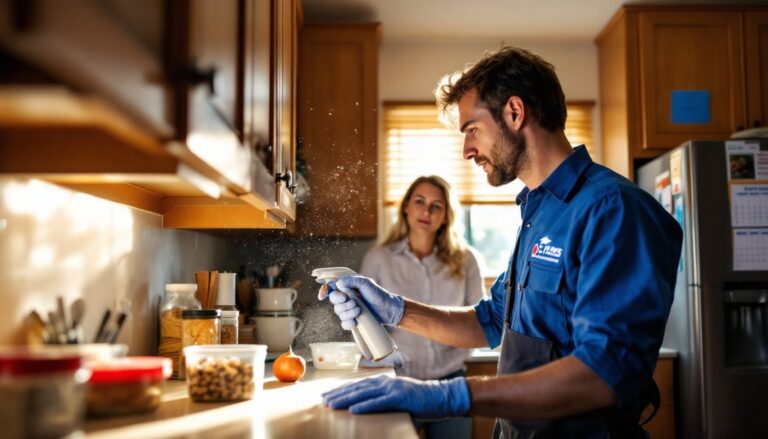
EPA-registered products are the standard for consumer use. Look for the EPA registration number on the label. Always read instructions completely, pesticides are poisons, and misuse harms your family. Wear gloves, goggles, and a respirator if the label recommends it. Never mix pesticides together (deadly gases can form). Ventilate the treated area and keep pets and children out until surfaces dry.
Baits and gels (for ants, cockroaches, rodents) are safer than sprays because they’re contained and pests carry poison back to the nest, eliminating the entire colony. Place baits in areas where you’ve seen activity, away from children and pets. Results take days to weeks as the colony dies.
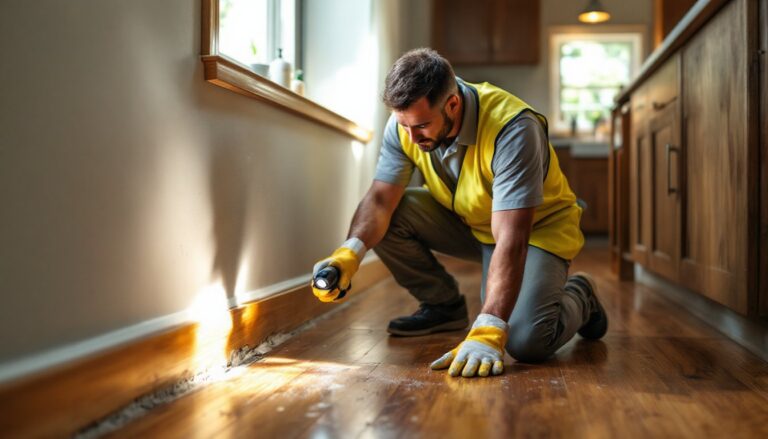
Spot treatments on baseboards and entry points target problem areas without treating entire rooms. This approach minimizes exposure for your family.
Professional-grade chemicals are stronger and more effective than retail products, which is why hiring an exterminator often makes sense for serious infestations. Pros are trained in safe application and wear protective equipment. They know which chemicals work best for specific pests and local regulations.
Chemical solutions work, but they’re not a substitute for prevention. Killing today‘s pests won’t stop tomorrow’s if entry points and food sources remain.
Maintaining a Pest-Free Home Long-Term
Once you’ve solved an infestation, keep it solved through ongoing maintenance. Pest control isn’t a one-time fix, it’s a habit.
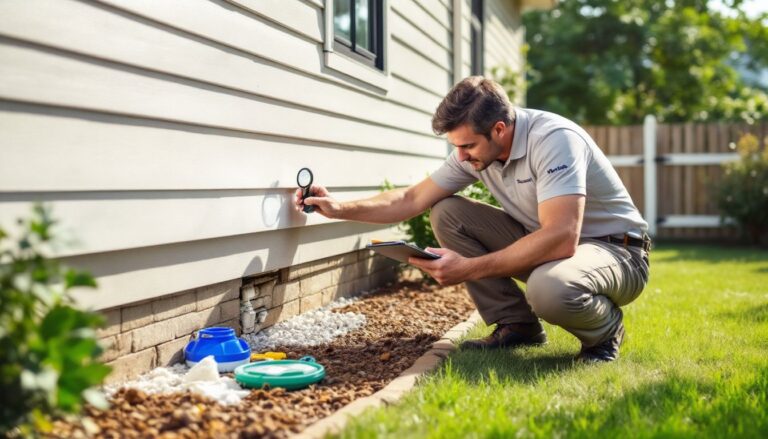
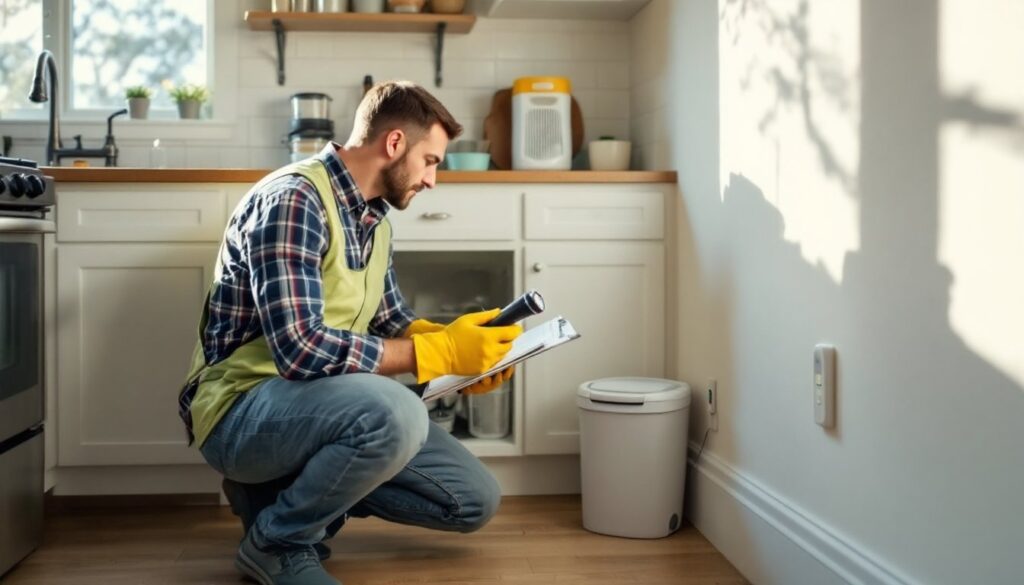
Monthly inspections take 15 minutes. Walk your foundation looking for mud tubes (termites), new cracks, holes, or droppings. Check under sinks, behind appliances, and in corners for signs of activity. Early detection stops small problems from becoming expensive ones.
Seasonal prep matters. Before winter, seal new cracks and gaps (temperature changes cause materials to expand and contract). Before spring, trim vegetation, clean gutters, and check for rodent entry points created by winter weather. After heavy rains, check the crawlspace for standing water and moisture.
Scheduled professional inspections (annually or semi-annually for termite-prone areas) catch hidden infestations before damage occurs. Many Pest Control Saratoga NY: companies and other regional providers offer annual contracts with quarterly or semi-annual visits. These contracts are cheaper than emergency callouts and provide peace of mind.
Maintain cleanliness habits year-round: don’t leave pet food out, store pantry items properly, remove garbage promptly, and wipe down kitchen surfaces before bed. These simple steps eliminate the incentive for pests to stay.
Document treatments if you’ve had professional service. Keep receipts and notes on what was treated, when, and what chemicals were used. This record helps if problems return and informs future decisions.
A Pest-Free Home: Simple environment requires consistency, not heroic effort. Small habits compound into lasting results.
Conclusion
Pest control isn’t glamorous, but it’s essential to a healthy, safe home. You have real options: natural solutions for prevention, DIY strategies for early infestations, professional help for serious problems, and chemical treatments as a last resort. The key is starting with prevention, acting quickly when you spot signs, and maintaining consistent habits. Most homeowners find a combination approach works best, seal the house, eliminate attractants, monitor regularly, and call a pro when needed. Your home is your sanctuary: keep the pests out.