Table of Contents
ToggleImagine coming home to a cozy sanctuary, free from the uninvited guests that scuttle across your floors. A pest-free home isn’t just a dream; it’s a reality waiting to be claimed. Picture this: no more surprise encounters with creepy crawlies or the dreaded midnight snack raid by a rogue mouse.
Understanding a Pest-Free Home
A pest-free home enhances comfort and promotes overall well-being. Eliminating unwanted pests ensures a clean and safe living space free from health risks and disturbances.
Importance of a Pest-Free Environment
Maintaining a pest-free environment prevents potential health hazards. Pests carry diseases that can endanger human health, including allergies and respiratory issues. Additionally, a pest-free home protects property by minimizing damage caused by insects and rodents. It increases property value and creates a welcoming atmosphere for family and guests. Regular pest control measures contribute to longer-lasting home maintenance and increased peace of mind.
Common Household Pests
Several common household pests often invade living spaces. Ants frequently invade kitchens in search of food, while cockroaches thrive in damp areas. Termites pose a significant threat, damaging wooden structures within homes. Rodents like mice and rats not only contaminate food but also can chew through wiring and insulation. Bed bugs, notorious for infesting mattresses, can lead to uncomfortable sleeping conditions. Awareness of these pests assists homeowners in taking proactive measures to mitigate infestations.
Prevention Strategies
Maintaining a pest-free home involves various proactive measures. Homeowners can significantly reduce the risk of pests by implementing effective strategies.
Regular Maintenance and Cleaning
Regular maintenance and cleaning play critical roles in pest prevention. Schedule routine cleanings to eliminate food particles, which attract pests. Vacuuming floors and furniture prevents buildup and reduces harboring spots for insects. Additionally, regularly washing dishes and wiping down surfaces removes potential food sources. Inspecting and decluttering spaces helps identify hidden areas where pests might thrive. Maintaining a tidy environment significantly diminishes infestation risks.
Sealing Entry Points
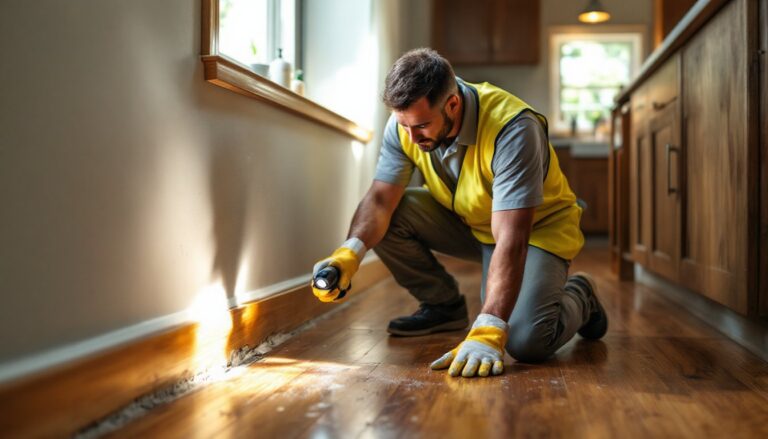
Sealing entry points serves as a key strategy for pest control. Close gaps and cracks in walls, doors, and windows to restrict pest access. Weather stripping is effective for sealing window edges and door frames, preventing insects and rodents from entering. Use caulk to fill any small openings, as these spaces often go unnoticed. Including mesh screens on vents and chimneys protects against outdoor pests. Ensuring that all entry points are secure creates a formidable barrier against unwanted visitors.
Natural Pest Control Methods
Natural pest control methods offer effective alternatives to chemical solutions. These strategies focus on utilizing safe techniques to deter unwanted insects and rodents.
Essential Oils and Repellents
Essential oils act as powerful repellents against various pests. Oils like peppermint, tea tree, and eucalyptus disrupt insect behavior and deter them from infesting homes. Applying these oils in diluted forms to entry points enhances the protective barrier. Homeowners who use sprays made from these essential oils can experience a significant decrease in common household pest populations. Incorporating essential oils into cleaning routines can also create an unpleasant environment for pests. They not only contribute to a fresh scent but help maintain a pest-free space effectively.
Diatomaceous Earth
Diatomaceous earth serves as a natural, abrasive product effective for pest control. Comprising tiny, sharp particles, it disrupts the protective exoskeleton of insects, causing dehydration. Sprinkling diatomaceous earth in infested areas targets ants, cockroaches, and bed bugs. It’s essential to ensure the product used is food-grade for safety around pets and children. This method offers a longer-lasting solution, as it remains effective until disturbed or wet. Applying it strategically helps create an invisible barrier crucial for deterring pests naturally.
Professional Pest Control Services
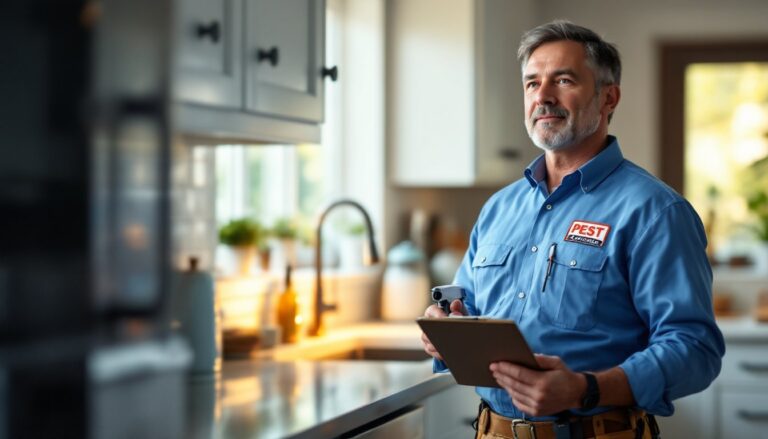
Professional pest control services offer effective solutions for maintaining a pest-free home. Relying on experts can provide peace of mind and ensure thorough pest management.
When to Call the Experts
Calling pest control experts becomes necessary when home remedies fail to eliminate persistent infestations. Homeowners should seek professional help if they notice signs of extensive damage, such as chewed wiring or structural issues from termites. Additionally, if health risks arise from infestations, such as the presence of allergens from mice or cockroaches, experts should be contacted promptly. Regularly scheduled inspections can also detect potential problems before they escalate. Addressing pest issues quickly prevents increased costs and more severe infestations.
What to Expect from a Service
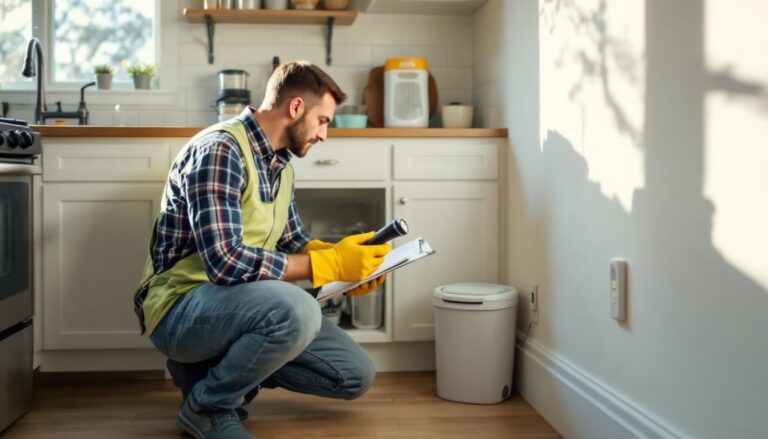
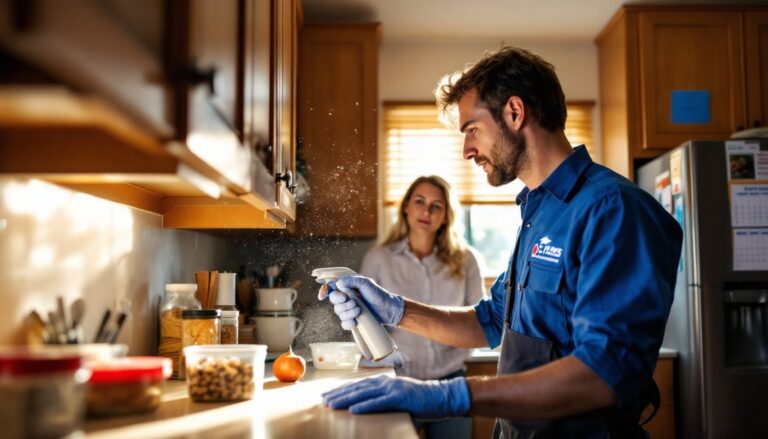
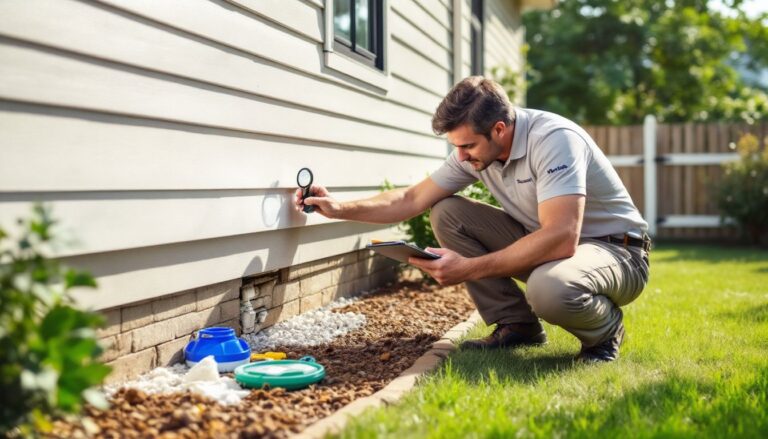
Expect a comprehensive assessment during a pest control service visit. Specialists typically conduct thorough inspections to identify pest types and nesting sites. After evaluation, they’ll develop a customized treatment plan tailored to the home’s specific needs. Treatments might involve chemical applications, traps, or natural solutions depending on the situation. Follow-up visits facilitate monitoring and adjustment of strategies. Educated technicians also provide advice on preventive measures, enhancing ongoing pest management efforts for a pest-free environment.
Eco-Friendly Solutions
Homeowners increasingly choose eco-friendly solutions for pest control, prioritizing safety and sustainability. Natural products provide effective alternatives to harsh chemicals that may harm the environment.
Organic Pest Control Products
Organic pest control products offer numerous advantages while reducing chemical exposure. Solutions like neem oil disrupt insect growth and repel pests effectively. Additionally, plant-based insecticides, derived from ingredients like pyrethrin, target specific pests while being safe for humans and pets. Essential oils, including citronella and lavender, deter unwanted insects through pleasant scents. Natural traps, such as sticky traps, capture pests without using toxic substances. Homeowners find these options both effective and environmentally responsible.
Benefits of Going Green
Choosing eco-friendly pest control presents several benefits. Firstly, safety improves significantly for families and pets, as natural products pose minimal health risks. Secondly, organic solutions often enhance soil health and biodiversity, promoting a balanced ecosystem around the home. Additionally, many eco-friendly products biodegrade, reducing waste and environmental impact. Cost-effectiveness remains a key benefit, as many natural solutions save money through their long-lasting effectiveness and reduced need for repeated applications. Overall, going green fosters a healthier living environment while addressing pest problems effectively.
A pest-free home isn’t just a dream; it’s an achievable reality that enhances comfort and well-being. By implementing proactive measures and utilizing natural solutions, homeowners can create a safe sanctuary free from unwanted pests. Regular maintenance and professional pest control services play a crucial role in preventing infestations and addressing any issues that arise.
Embracing eco-friendly pest control options not only protects the home but also contributes to a healthier environment. With the right strategies in place, families can enjoy peace of mind knowing their living spaces are secure and inviting. The journey to a pest-free home starts with awareness and action, ensuring a welcoming atmosphere for all.