Table of Contents
ToggleOpossums might look harmless, but finding one rummaging through your garage or nesting under your deck can be unsettling. Unlike aggressive pests, opossums are generally docile and rarely pose a direct threat, but they can carry diseases, contaminate insulation, and create structural damage while searching for food and shelter. The good news: most opossum problems can be prevented or resolved with straightforward DIY tactics. This guide covers the practical steps homeowners can take to secure their property, recognize infestation signs, and decide when professional opossum pest control becomes necessary.
Key Takeaways
- Opossums are drawn to unsecured garbage, pet food, and accessible shelter like attics and decks—removing these food sources and securing entry points prevents infestation.
- Early detection is critical: watch for foul odors, droppings, disturbed insulation, and nocturnal sounds to identify an opossum problem before it escalates.
- Seal gaps larger than ½ inch with hardware cloth, secure trash in locking metal cans, and maintain clear vegetation around your roofline to keep opossums out.
- Live trapping can work for mild cases, but professional opossum pest control is necessary when opossums nest in attics, young are present, or local regulations require permits.
- Opossums can carry diseases like leptospirosis and tuberculosis—wear protective gear when handling traps and always contact wildlife authorities for legal relocation rather than relocating yourself.
Why Opossums Enter Your Home and Property
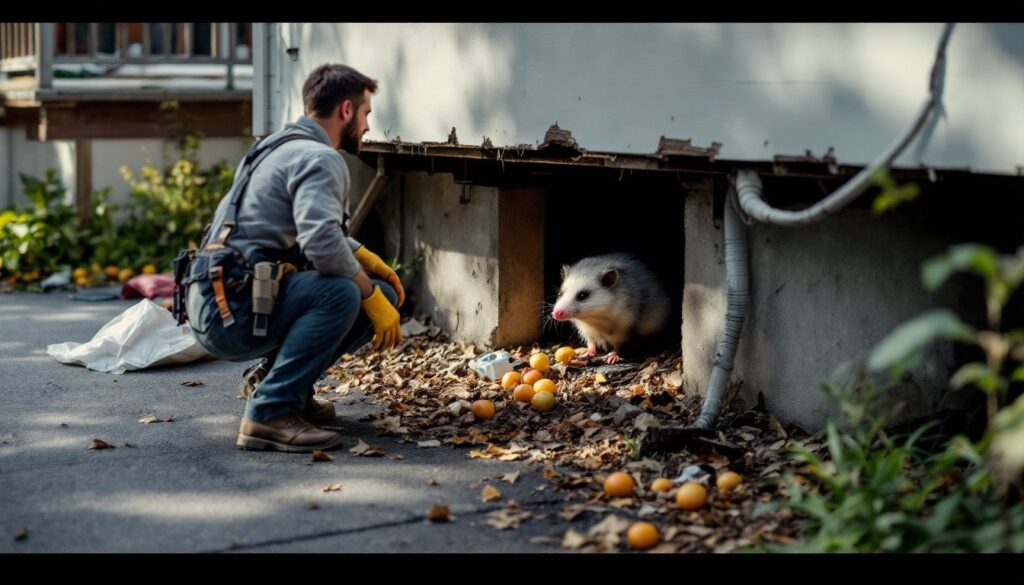
Opossums are opportunistic foragers drawn to easy food sources and warm, sheltered spaces. They’re looking for garbage, pet food left outside, fallen fruit from trees, and accessible shelter like attics, crawl spaces, or sheds. A single unsecured trash can or open compost pile can signal an all-you-can-eat buffet to a passing opossum.
They’re also attracted to properties with rodent infestations, opossums hunt rats and mice, so if you have rodent activity, opossums may follow. During colder months, they seek insulated spaces to nest and rest. Unlike aggressive pest species, opossums don’t typically burrow deep into walls: instead, they settle in accessible voids, under decks, or in roof gaps.
Understanding their motivation is key to prevention. Remove the draw, and you remove the reason they visit in the first place.
Signs of an Opossum Infestation
Early detection prevents bigger headaches. Watch for these telltale signs:
- Foul odor around the attic, garage, or under structures (opossums can produce a pungent musk when threatened)
- Visible droppings resembling rat feces but often larger, found near entry points or nesting areas
- Disturbed insulation or nesting material clumped in corners
- Nocturnal noise, scratching, shuffling, or hissing sounds, especially after dusk
- Damaged siding, vents, or fascia where opossums forced entry
- Scattered garbage or garden damage from foraging
- Ammonia-like smell in crawl spaces (from accumulated urine)
If you spot one opossum, there may be others. Opossums are solitary except during mating season, but multiple entry points suggest an ongoing problem. Don’t assume a single sighting means infestation, one passing through isn’t the same as one living in your walls. Look for the signs above to confirm actual occupancy.
DIY Prevention and Removal Strategies
Securing Your Home and Yard
Prevention is infinitely cheaper and easier than removal. Start with exclusion, sealing entry points before opossums move in.
Inspect and seal gaps:
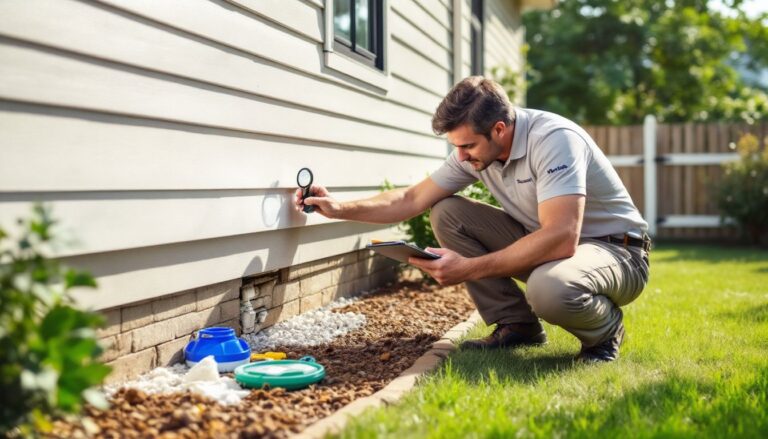
Walk your home’s perimeter, including the roof line, soffits, and foundation. Look for gaps larger than ½ inch: opossums can squeeze through surprisingly small openings. Use ¼-inch hardware cloth or steel mesh to cover vents, gaps under sheds, and crawl space entrances. Avoid plastic screening, opossums can shred it. Install chimney caps and ensure downspout extensions direct water at least 4 feet away from the foundation.
Secure garbage and food sources:
Use locking metal trash cans or store garbage in a secure garage until pickup day. Remove pet food indoors at night. Don’t leave pet bowls outside. Pick up fallen fruit daily, and trim tree branches hanging over your roof (opossums are decent climbers). Keep compost bins elevated and covered with hardware cloth.
Modify the landscape:
Trim vegetation away from your roofline, leaving at least a 3-foot clearance. Remove brush piles, dense shrubs near foundations, and standing water that attracts insects (another food source). A well-maintained yard is less appealing than an overgrown one.
Natural Deterrents and Trapping
Non-lethal deterrents:
Motion-activated lights and sprinklers can startle opossums away. Some homeowners report success with ammonia-soaked rags placed near entry points (opossums dislike the strong smell). Commercial opossum repellents containing capsaicin exist, though their effectiveness is mixed, don’t rely on them alone.
For most homeowners, prevention (removing food and sealing gaps) works better than deterrents.
Trapping for removal:
If an opossum is already nesting on your property, live trapping using a 2-door or 1-door live trap (at least 10×12 inches) works. Bait with overripe fruit, sweet potatoes, or pet food. Place traps near entry points or suspected den sites, and check them daily (this is both a humane and legal requirement in most jurisdictions).
Before trapping, confirm no babies are present, removing a mother leaves orphaned young to die in walls. Spring and early summer are peak breeding seasons: trapping during this window can orphan nestlings.
Once trapped, contact your local wildlife authority or a licensed pest control professional for legal relocation. Relocating opossums yourself is illegal in many states without a permit. Even where legal, relocated opossums have poor survival rates in unfamiliar territory. Let professionals handle transport and placement.
Wear heavy gloves and long sleeves when handling traps. While opossums rarely bite, they can carry diseases like leptospirosis and tuberculosis. Wash hands thoroughly after any contact.
When to Contact a Professional Pest Control Service
Call a professional if:
- Multiple entry points exist or you’re unsure how opossums entered
- Opossums are nesting in your attic or walls, reaching them safely and legally requires expertise
- Young are present, babies must be handled and reunited with mothers or cared for by trained individuals
- Structural damage is evident (compromised insulation, soiled crawl spaces, chewed wiring) and you need proper cleanup and decontamination
- You’re uncomfortable with trapping or handling deterrents
- Local regulations require permits for removal (most jurisdictions do)
Professionals have the tools, knowledge of local wildlife laws, and experience to handle opossums humanely while preventing re-entry. They’ll also identify secondary entry points you might miss. Many reputable services offer a warranty, if opossums return within a set period, they return to re-seal gaps at no charge.
Cost varies by region and severity, typically ranging from $300 to $1,500 for inspection, trapping, removal, and exclusion work. Get quotes from at least two licensed providers. Ask about their exclusion guarantee and whether they handle cleanup and decontamination. 24/7 pest control services are available in many areas if immediate action is needed. Resources like HomeAdvisor can help you find licensed contractors and understand average costs in your region.
While some DIY removal is feasible, structural work, attic access, or multiple opossums almost always justify professional help. Your time and safety are worth the investment.
Conclusion
Opossum control starts with prevention: secure trash, seal gaps, remove food sources, and maintain your yard. Recognize infestation signs early, foul odors, droppings, and nocturnal noise, and act before problems escalate. For mild cases or prevention, DIY exclusion and deterrents often work. For nesting opossums, especially in attics or with young present, professional opossum pest control is the safer, legal, and more effective choice. Don’t let a small problem become a big expense, start with prevention today.