Table of Contents
ToggleTermites, rodents, ants, and other pests can turn a home from sanctuary into a stress zone faster than you’d expect. Unlike cosmetic repairs, a pest infestation threatens structural integrity, health, and peace of mind, so it’s worth tackling properly. Whether you’re dealing with an active problem or want to stay ahead of trouble, understanding your pest control options is essential. This guide walks you through professional services, DIY approaches, how to spot infestations early, and proven prevention tactics that actually work. We’ll be straight about what you can handle yourself and when to call in the pros.
Key Takeaways
- Professional pest control services are essential for severe infestations like termites, bed bugs, and rodent colonies, while DIY solutions work best for prevention and minor pest issues.
- Early detection of pest infestations—through spotting mud tubes, droppings, wood damage, or hollow-sounding wood—prevents costly structural damage and keeps treatment straightforward.
- Effective termite and pest control requires a dual approach: sealing entry points with steel mesh and caulk, eliminating moisture sources, and removing food and shelter that attract pests.
- Heat treatment for bed bugs (118°F for hours) and professional-grade liquid barriers for termites are highly effective but require licensed technicians for proper application.
- Prevention through regular inspections twice yearly, maintaining proper drainage, and storing food in airtight containers is cheaper and more effective than treating established infestations.
- Natural treatments like diatomaceous earth and neem oil work for maintenance and prevention, but active infestations demand professional-grade chemical treatments for reliable results.
Understanding Your Pest Control Options
When pests show up, you have two main paths forward: hire a licensed pest control company or tackle it yourself. Both approaches have real tradeoffs in cost, time, and effectiveness.
Professional Pest Control Services vs. DIY Solutions
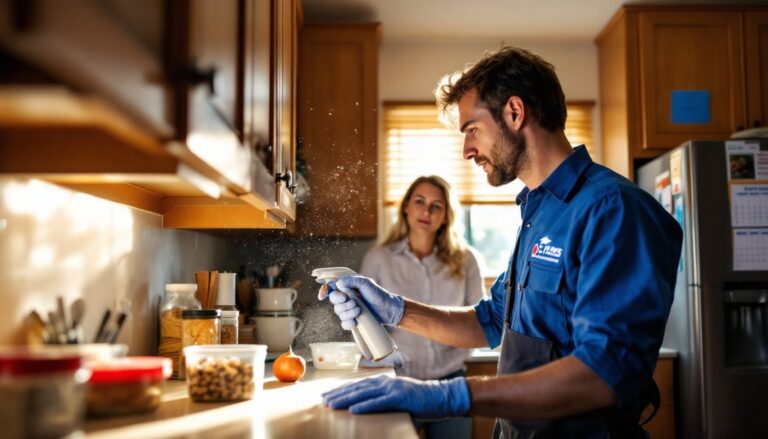
Professional pest control technicians bring training, equipment, and experience. They diagnose the problem accurately, understand local code compliance, and know which products work for your specific pest and climate. If you’ve got termites, bed bugs, or a large rodent problem, calling a pro isn’t just convenient, it’s often the smartest move. Licensed professionals have access to stronger treatments and can guarantee follow-up inspections.
DIY pest control works well for minor or preventative situations: a few ants in the kitchen, sealing small rodent entry points, or maintaining barriers before problems start. Many homeowners use DIY methods for routine maintenance and call professionals only when infestations escalate. The hybrid approach saves money without leaving your home vulnerable.
Hiring a professional comes with costs, typically $300 to $1,000+ for initial treatments, depending on your home size and pest type. DIY supplies run $20 to $100, but they require your time and correct application. Consider how much time you’re willing to invest and whether misdiagnosis could waste that effort.
Identifying Termite and Common Pest Infestations
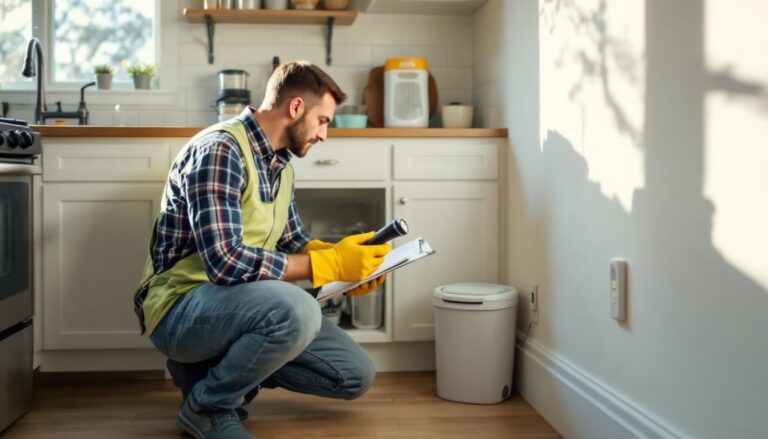
Catching a pest problem early matters enormously. Early detection keeps damage minimal and treatment straightforward.
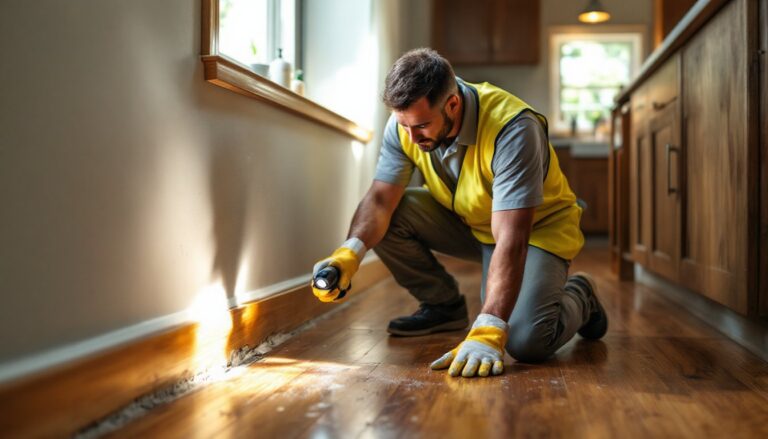
Termites are the heavyweight concern. Subterranean termites (the most destructive type in most of North America) leave mud tubes along foundation walls and wooden structures, tunnel through wood from inside out, and operate silently for years before damage becomes visible. Drywood termites produce pellet-like frass (termite droppings) and leave wood that sounds hollow when tapped. If you notice sagging floors, buckling walls, or difficulty closing doors, suspect termites immediately.
Rodents, mice and rats, leave droppings the size of a grain of rice (mice) to a grain of rice on steroids (rats), gnaw marks on wood and wires, and greasy rub marks along walls where they travel. A single female can produce 5–10 litters yearly, so delay costs exponentially.
Ants typically nest outdoors but forage indoors. Carpenter ants excavate wood to create galleries (not for food, like termites do). If you find sawdust-like debris near wood joints, suspect carpenter ants.
Bed bugs hide in mattress seams, box springs, headboards, and wall cracks. You’ll spot live bugs (small, flat, reddish-brown), dark droppings on fabric, or rust-colored stains where they’ve been crushed. They’re hitchhikers, no shame, but quick action prevents them from spreading throughout your home.
Top Effective Pest Control Methods
Different pests require different weapons. Here’s what actually works.
Termite control typically requires professional treatment. Liquid barriers (applied as perimeter trenches around foundations) and termite bait stations create zones pests can’t cross without ingesting poison. These are not DIY-friendly because they demand precise drilling, trenching, or soil injection. Action Termite and Pest Control solutions and local professionals handle this work. For structural termite damage (sagging beams, failing joists), a contractor must assess whether the wood needs replacement, permit required in most jurisdictions.
Rodent control mixes exclusion and removal. Seal all entry points larger than a dime with steel mesh, caulk, or hardware cloth (¼-inch mesh for mice, ½-inch for rats). Snap traps, electronic traps, and live traps work indoors: outdoor bait stations reduce population pressure. Never use poison dust or loose poison inside occupied homes, children and pets risk exposure. Pest Removal Services handle severe infestations.
Ant control uses perimeter baits and indoor spot treatments. Ants carry bait back to the colony, which takes 3–7 days to collapse. Cinnamon, diatomaceous earth, and borax-based baits work for minor incursions: larger colonies need professional-grade ant killers.
Bed bug treatment almost always requires a professional, especially in multi-unit buildings where treatment must be coordinated. Heat treatment (raising room temperature to 118°F for hours) kills all life stages. Chemical treatments need multiple applications 2 weeks apart. DIY spot sprays rarely work because bugs hide deep in cracks.
Chemical and Natural Treatment Options
Chemical treatments deliver results quickly. Pyrethroids (synthetic versions of a natural insecticide from chrysanthemum plants) kill most household pests on contact. Neonicotinoids work systemically, pests ingest or absorb them. Both require label-approved application and safety precautions (gloves, goggles, ventilation). In some jurisdictions, stricter regulations limit what homeowners can buy: professionals access stronger formulations.
Natural treatments appeal to households with children or pets. Diatomaceous earth (food-grade only) is a powder that damages insect exoskeletons: dust it along baseboards, under appliances, and around entry points. Neem oil disrupts insect reproduction and feeding but requires reapplication every 7–14 days. Essential oils (peppermint, tea tree) repel pests mildly but aren’t a standalone solution for active infestations. Home Pesticide Solutions: Effective covers deeper natural approaches.
Honestly, natural treatments work best for prevention and light maintenance, not heavy infestations. If you’ve got structural damage from termites or a rodent colony, chemistry and professionals are your reality.
Prevention Strategies for Long-Term Protection
Prevention beats treatment every time. It’s cheaper, easier, and keeps your home genuinely safe.
Moisture control is foundational. Termites need damp soil: rodents need water sources. Fix leaking gutters, grade soil away from the foundation so water doesn’t pool, and install proper drainage. Keep crawl spaces dry with vapor barriers. A single ongoing leak can invite a colony.
Seal entry points ruthlessly. Walk your foundation, walls, and roof line. Caulk cracks in mortar and concrete, seal gaps around pipes and utilities, and install door sweeps. Rodents squeeze through openings the size of a dime: insects need even less. Hardware cloth (not just plastic) stops determined rodents.
Remove food and shelter sources. Store pantry items in airtight containers, don’t leave pet food out overnight, and keep trash in sealed bins. Stack firewood 20 feet from the house and off the ground (termites highway). Prune tree branches touching the roof so pests can’t hitchhike in.
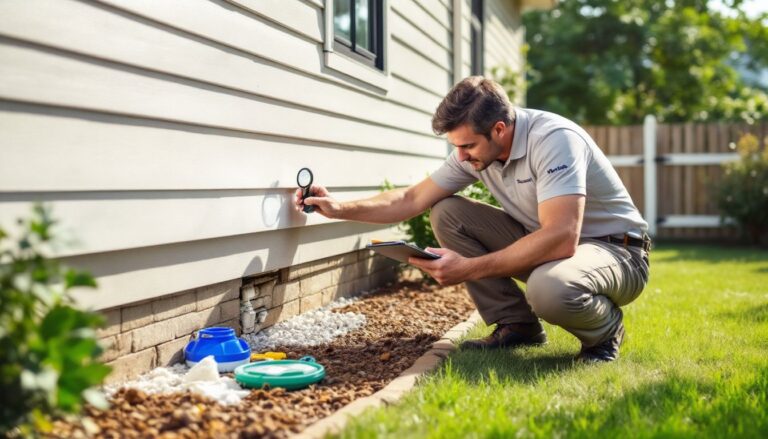
Inspect regularly. Walk your basement and crawl space twice yearly, looking for mud tubes, droppings, or wood damage. Catch problems when they’re small. Many homeowners in Pest Control Orem Utah and similar climates find seasonal inspections in spring and fall prevent costly damage.
Professional monitoring isn’t just for active infestations. Annual termite inspections (typically $75–$150) identify activity before structural damage. Bait stations placed around the perimeter act as early-warning systems. Resources like HomeAdvisor and Today’s Homeowner offer checklists and contractor reviews to plan preventive visits. Angi helps compare local pest control providers and read verified reviews from neighbors who’ve already hired them.
Older homes and homes with previous pest issues deserve annual professional checks. It’s insurance for your biggest asset.
Conclusion
Pest control is about matching the right tool to the problem. Minor issues, prevention, and maintenance lean DIY. Active infestations, structural threats, and bed bugs demand professional intervention. Stay vigilant with inspections, eliminate moisture, seal entry points, and don’t wait. The longer you ignore a problem, the more expensive the fix. Whether you’re learning how to handle 24/7 Pest Control situations or building a long-term prevention plan, taking action early keeps your home safe.