Table of Contents
TogglePests aren’t picky about their timing, they show up unannounced and wear out their welcome fast. Most homeowners reach for conventional pesticides without thinking twice, but those chemical treatments come with trade-offs: they can harm beneficial insects, contaminate groundwater, and expose your family to toxins. Eco-friendly pest control services offer a smarter alternative. Whether you’re dealing with ants in the kitchen or wasps on the deck, natural and organic pest management strategies can protect your home and yard without the environmental guilt. This guide walks you through what eco-friendly pest control actually means, how it works, and how to find a service that aligns with your values.
Key Takeaways
- Eco-friendly pest control services protect your family and environment by using natural compounds like neem oil, spinosad, and diatomaceous earth instead of toxic synthetic chemicals that linger in soil and water systems.
- Physical removal and habitat management—sealing cracks, removing standing water, and clearing debris—address the root causes of infestations, making eco-friendly pest control a sustainable, long-term solution rather than a toxic quick fix.
- Legitimate eco-friendly pest control providers should have state pesticide applicator licenses, third-party certifications (like Green Certified or Organic Land Care Council membership), and provide detailed inspection reports and transparent product safety data sheets.
- While eco-friendly pest control costs 10–30 percent more than conventional treatments, it reduces risks of chemical exposure to children and pets while lowering the chance of pesticide-resistant pest generations returning.
- Botanical solutions and natural methods are selective, targeting specific pests rather than broad-spectrum chemicals that harm beneficial insects like pollinators and earthworms essential to yard health.
Why Choose Eco-Friendly Pest Control for Your Home
Eco-friendly pest control isn’t just a trendy buzzword, it’s a practical approach that tackles infestations while protecting your health and the environment. Conventional pesticides contain synthetic chemicals that kill pests indiscriminately, often harming pollinators, earthworms, and other organisms that keep your yard functioning. They also linger in soil and water systems for years.
Natural pest control methods rely on plant-based compounds, beneficial insects, physical barriers, and habitat management. These approaches take a longer view: instead of carpet-bombing your property with chemicals, they address why pests are there in the first place. A home with sealed cracks, proper drainage, and removed food sources is far less attractive to rodents and insects than one that’s not.
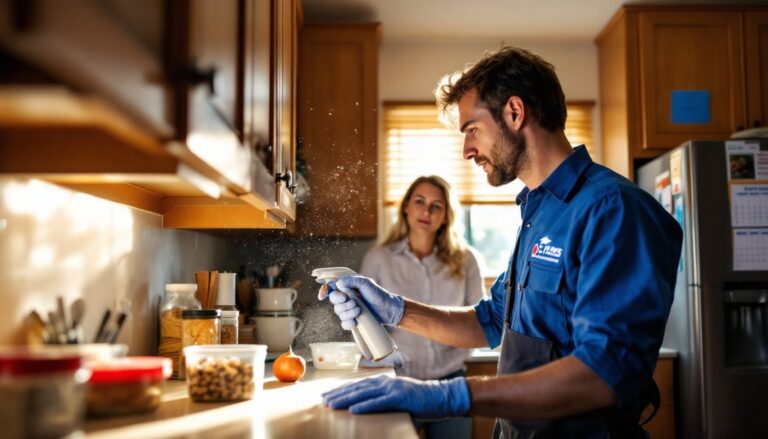
You’ll notice practical benefits too. Your family won’t be exposed to neurotoxic residues on countertops or absorbed through skin. Kids and pets can play outside without the risk of chemical burn. And because eco-friendly services often combine multiple methods, infestations are less likely to bounce back with pesticide-resistant generations of pests. When pests invade the home, using home pesticide solutions that are effective and eco-friendly ensures you’re not trading one problem for another.
Is eco-friendly pest control slower than spraying everything with poison? Sometimes. But a three-week timeline to completely solve an ant problem beats a cycle of monthly treatments that never quite finish the job.
Common Eco-Friendly Pest Control Methods
Organic Treatments and Botanical Solutions
Eco-friendly pest control services often start with botanical insecticides, products derived directly from plants. Neem oil, extracted from neem tree seeds, disrupts the life cycle of soft-bodied insects like aphids and spider mites: it’s approved for organic farming and food crops. Spinosad, a fermented soil bacterium product, is lethal to caterpillars, beetles, and flies but breaks down quickly in sunlight and poses minimal risk to mammals.
Pyrethrins, natural compounds from chrysanthemum flowers, paralyze insects on contact and are often used in spot treatments for fleas and mosquitoes. These aren’t “miracle powders”, they work on specific pest life stages and may require multiple applications, but they degrade within days rather than persisting for months.
Some services use diatomaceous earth (DE), a powder made from fossilized algae. Food-grade DE damages the waxy coating on insect exoskeletons, causing dehydration. It’s harmless to humans and pets when used correctly, though you’ll want to wear a dust mask during application. Other practices include beneficial nematodes, microscopic organisms that parasitize soil-dwelling pests like grubs and beetle larvae, and pheromone traps that confuse insects so they can’t find mates.
The key here is selectivity. Botanical solutions generally target the pests you’re fighting, not everything in your yard. Wildlife pest control near your home becomes less risky when treatments aren’t broad-spectrum.
Physical Removal and Habitat Management
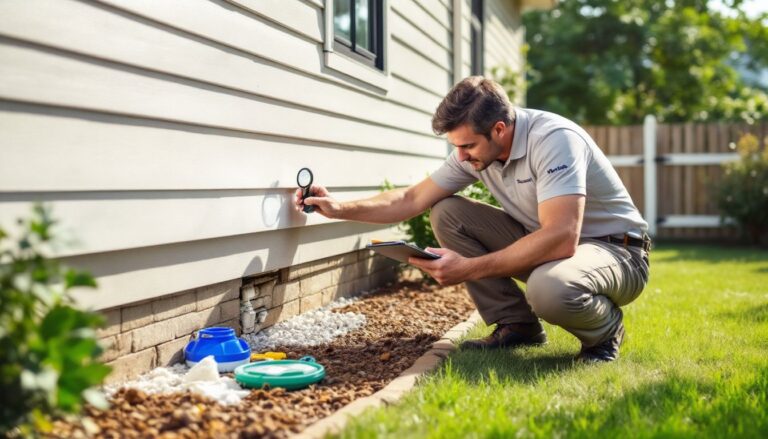
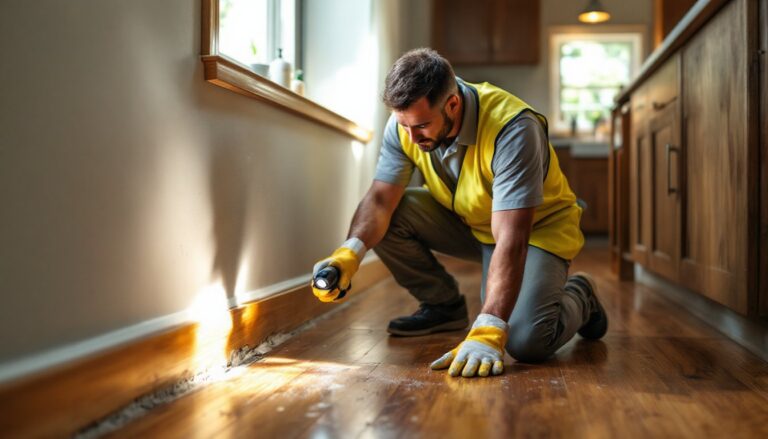
Not every pest problem requires a bottle of anything. Physical removal means sealing entry points, installing screens, removing standing water, and clearing debris where pests hide. A service technician will walk your foundation, roof line, and attic vents, identifying cracks wider than a dime (roughly the size a mouse can squeeze through) and sealing them with caulk or hardware cloth.
Habitat management addresses what attracts pests in the first place. Overgrown mulch, dense ground cover, and branches touching your roof create highways for insects and rodents. Leaky gutters and poor drainage create breeding grounds for mosquitoes. Dead wood and leaf litter harbor termites and carpenter ants. By removing these conditions, you reduce pest pressure before it becomes a crisis.
Some services deploy traps, snap traps for rodents, sticky traps for flying insects, to monitor populations and remove individuals without poison. Motion-activated lights and sprinklers deter larger pests like raccoons and deer. Installing bat boxes or insect hotels encourages natural predators that eat hundreds of mosquitoes or aphids per night.
This approach requires patience and follow-through from the homeowner. You can’t seal cracks once and ignore landscaping forever: it’s ongoing maintenance. But the result is a home that’s less hospitable to pests, not through toxins but through design. A pest-free home achieved through simple steps means working with nature, not against it.
How to Find and Hire an Eco-Friendly Pest Control Service
Finding a legitimate eco-friendly pest control service requires vetting beyond just a green-sounding name. Many companies slap “eco” on their branding but still rely on conventional synthetic pesticides or aren’t transparent about what they use.
Start by asking questions directly. What products do they use? Can they provide a safety data sheet (SDS) for each product? Are they certified organic by the EPA or a third-party certification body? Do they have an integrated pest management (IPM) approach, meaning they combine multiple methods rather than defaulting to spraying? A reputable service will explain why they’re recommending a particular treatment and what results you can reasonably expect.
Check credentials and licensing. Technicians should hold a pesticide applicator license issued by your state (even organic pesticides require licensing in many jurisdictions). Look for certifications like Green Certified through the National Association of Pest Control Professionals (NAPCP) or membership in the Organic Land Care Council. Online reviews matter, but read them critically, focus on specifics about outcome and communication rather than vague praise.
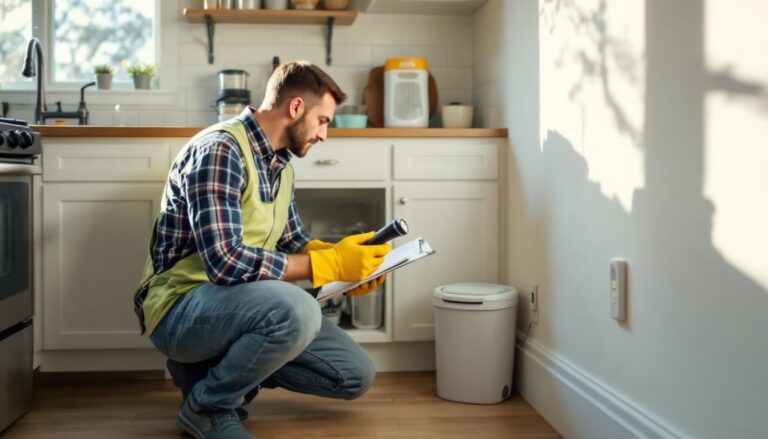
Request a free inspection. A good service will spend 30 to 60 minutes assessing your property, identifying pest entry points, and explaining what they found. They’ll give you a written quote that breaks down what they’re treating, which methods they’ll use, and the timeline. Avoid any company that insists on treating your entire property for pests you don’t have or won’t give you a detailed plan.
You can also check resources like HomeAdvisor for contractor reviews and cost benchmarks in your area, or look for green pest control information through independent guides. If you live in a specific area, search for regional specialists, for instance, pest control services in Saratoga or Bloomington often have strong local networks with eco-minded providers.
Budget-wise, eco-friendly services typically cost 10 to 30 percent more than conventional pest control, depending on your region and the severity of your infestation. You’re paying for selectivity, safety, and often more labor-intensive methods. Some companies offer recurring plans (quarterly or bi-monthly) at a discount, which can make sense if you’re managing an ongoing issue. Ask if they guarantee results and what happens if pests return within the warranty period.
Conclusion
Eco-friendly pest control is worth the extra thought and sometimes the extra cost. You’re choosing methods that solve the problem without poisoning your home or the broader ecosystem. Start by understanding what services in your area actually offer, ask the hard questions about products and credentials, and prioritize companies that take time to inspect and explain their approach. Your home deserves protection, and so does your family’s health.