Table of Contents
ToggleWaking up to find an ant trail across your kitchen counter or spotting a spider nest in the corner, it’s the kind of morning that sends most homeowners scrambling for solutions. Pest infestations don’t announce themselves politely: they show up uninvited and multiply fast. Swift pest control isn’t just about comfort: it’s about protecting your home’s integrity, your family’s health, and your peace of mind. The key is recognizing the problem early and acting decisively. Whether you tackle the issue yourself with immediate interventions or call in professionals, understanding your options puts you in control. This guide walks you through practical, time-tested methods to identify pests, respond quickly, and know when professional help is worth the investment.
Key Takeaways
- Swift pest control prevents infestations from multiplying exponentially—pests like ants and bed bugs can double their populations in days, making early detection and fast action critical to avoid costly damage.
- Identifying pest types and signs early (droppings, damage to materials, odd smells, and visible insects) allows you to choose the right treatment method and prevent health risks like hantavirus from rodents or asthma triggers from cockroaches.
- Basic sanitation, entry point sealing, and targeted treatments like boric acid baits for ants or gel baits for cockroaches can control small infestations for $50–$150, saving thousands compared to professional interventions.
- Professional pest control is essential for structural pests like termites, bed bug infestations in multi-unit buildings, and large rodent problems hiding in walls or attics—DIY methods often fail where expertise and specialized equipment are needed.
- Swift action to treat early-stage infestations protects your home’s structural integrity, your family’s health, and your peace of mind while keeping costs predictable and damage minimal.
Why Swift Action Matters in Pest Management
A single cockroach spotted today means a colony of hundreds lurking in walls tomorrow. Pests reproduce at alarming rates, ants, bed bugs, and termites double their populations in weeks, sometimes days. The longer you wait, the deeper they burrow into your home, making treatment exponentially harder and costlier.
Beyond sheer numbers, pests carry real health risks. Rodents leave droppings that contaminate surfaces and spread hantavirus. Cockroaches trigger asthma and allergies, especially in children. Termites silently devour structural timber: by the time damage becomes visible, thousands of dollars in repairs loom ahead. Acting quickly interrupts their lifecycle before they establish strongholds.
Swift response also saves money. Treating a small infestation with DIY methods costs $50–$150. A full-blown infestation requiring professional intervention? Expect $300–$1,500 or more, depending on severity and your location. Early detection and immediate action are your first line of defense against escalating problems.
Common Household Pests and Quick Identification
Knowing what you’re dealing with is half the battle. The most common indoor invaders are ants (especially carpenter ants, which damage wood), cockroaches (German and American species), bed bugs (hitchhikers in luggage and used furniture), and rodents (mice and rats). Termites, though less visible indoors, attack foundations and framing. Spiders, while mostly harmless, multiply quickly and unsettle homeowners. Wasps and hornets nest in eaves and pose stinging hazards.
Different pests demand different strategies. You can’t use the same approach for a spider infestation and a termite problem, the biology and treatment methods are worlds apart. That’s why identifying what you’re facing matters before you spend time and money on a cure.
Signs of Infestation to Spot Early
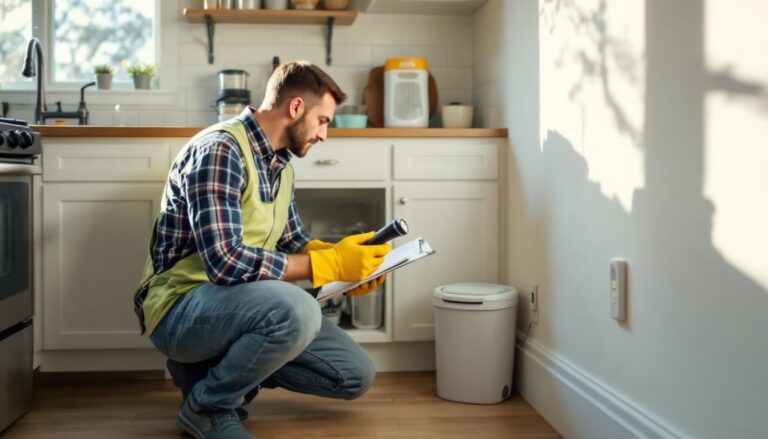
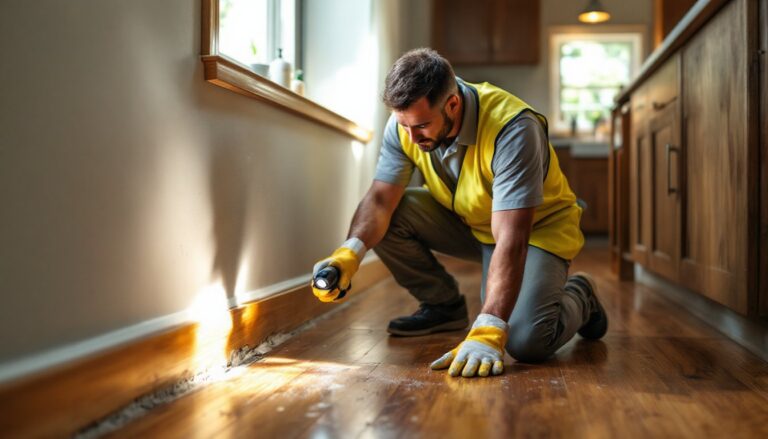
Droppings and waste are your first clue. Small dark specks near baseboards or in cupboards suggest rodents or cockroaches. Look near food sources and along walls, pests leave trails. Damage to materials is another warning: tiny holes in wood, hollowed-out areas in studs, or damaged paper goods point to termites or rodents.
Live or dead insects are obvious signals, but absence doesn’t mean safety. Pests are nocturnal and hide during the day. Odd smells, musty, ammonia-like odors, often precede visible signs. Nesting materials (shredded paper, fabric, insulation) in corners or behind appliances indicate rodent activity. Bites or welts on skin, especially in rows or clusters on bed linens, suggest bed bugs. Check mattress seams, headboards, and box springs with a flashlight: bed bugs are flat, reddish-brown, and about the size of an apple seed.
DIY Swift Pest Control Methods That Work
Many homeowners can address early-stage infestations without professional help, saving time and money. Success depends on quick action, correct identification, and following product instructions carefully. Start by eliminating food sources and sealing entry points, pests need access and a reason to stay.
Sanitation is your foundation. Vacuum regularly, especially along baseboards and under furniture where debris collects. Store food in airtight containers, clean up spills immediately, and don’t leave pet food out overnight. Fix leaky pipes: pests need water as much as food. Seal cracks and gaps with silicone caulk or expanding foam, paying special attention to where pipes and utilities enter the home.
Once you’ve cleaned house, targeted treatments can control small populations. Success rates depend on the pest type and how early you catch the problem.
Natural and Chemical Solutions for Immediate Results
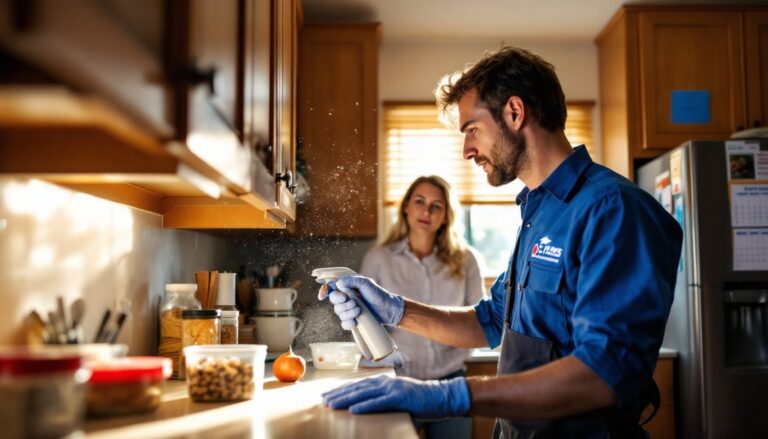
For ants: Boric acid-based baits are fast and effective. Products like Terro liquid ant baits work because worker ants carry the poison back to the colony, eliminating the queen. Borax also works: mix it with powdered sugar and a little water to form a paste, then place small amounts near ant trails. Wear gloves, borax is toxic if ingested. Natural alternatives include diatomaceous earth (food-grade only), which damages insect exoskeletons. Sprinkle it along baseboards and under appliances, but reapply after vacuuming or mopping.
For cockroaches: Gel baits containing fipronil or imidacloprid kill fast and are safer than broad-spectrum sprays around families and pets. Apply small dots (about the size of a pea) under sinks, behind appliances, and in cabinet corners. Don’t spray: the bait works better if left undisturbed. Home Pesticide Solutions: Effective cover the mechanics of chemical treatments in detail. Inspect and re-bait every 7–10 days. Some infestations require repeated applications over 3–4 weeks.
For bed bugs: Detecting bed bugs early is crucial because they’re hard to eliminate once established. For small infestations, encase your mattress and box spring in a bed bug-proof cover (zippable, sealed). Wash all bedding in hot water (130°F or higher) weekly for several weeks. Vacuum the mattress thoroughly and dispose of the vacuum bag in a sealed plastic bag. Insecticide sprays labeled for bed bugs can help, but many bed bug populations have developed resistance to common chemicals. Don’t use foggers: bed bugs hide in cracks and won’t be exposed to the spray.
For rodents: Snap traps and electronic traps kill faster than sticky traps and are more humane. Place traps along walls where mice and rats travel, they prefer running along edges. Bait with peanut butter or nesting material like cotton. Check traps daily and dispose of dead rodents in a sealed bag. Wear gloves and a mask when handling: rodent droppings can carry hantavirus. For rats, snap traps or large electronic traps work best. Poison baits are an option, but they risk poisoning pets, wildlife, and children, so reserve them for inaccessible areas or when other methods fail.
For spiders: Most spiders are harmless and actually eat other insects, so they’re not always worth eliminating. If you must, vacuum up webs and egg sacs regularly. Insecticidal sprays labeled for spiders work, but prevention, reducing clutter, sealing cracks, and removing insects that spiders feed on, is more sustainable.
For termites and serious infestations: This is where DIY hits a wall. Termite damage can go undetected for years, compromising structural integrity. Professional Pest Removal Services: Restore often handle situations where DIY methods fall short. Treating a termite infestation properly requires licensing and specialized equipment.
Always wear appropriate PPE. Gloves protect against chemical contact and pathogens. Safety glasses guard against splashes. A dust mask or respirator is essential when applying powders like diatomaceous earth. Read product labels completely before using anything, instructions on dilution, application, and safety are there for good reason.
When to Call Professional Pest Control Services
Professional pest control becomes necessary when DIY efforts fail, when you’re dealing with hidden infestations, or when the pest type demands specialized knowledge and equipment. Termites, bed bugs, and rodent infestations hiding behind walls are textbook cases for calling in experts.
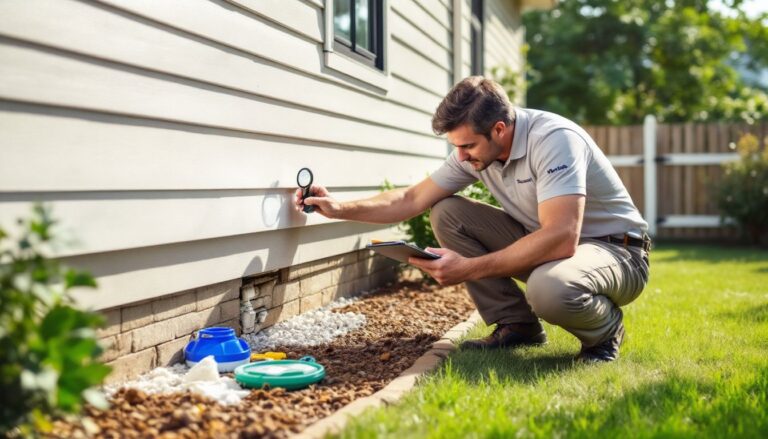
Structural pests like termites and carpenter ants require inspection by trained professionals who can assess damage and recommend treatment. Most jurisdictions require a pest inspection report before property sales, which must be conducted by licensed inspectors. DIY termite treatment is risky and often ineffective because the colony’s location is hard to pinpoint.
Bed bugs in rentals usually require professional treatment because infestations often span multiple units. Landlords are typically responsible for pest control in rental properties, so report infestations immediately rather than treating them yourself.
Large rodent infestations in attics, crawl spaces, or walls need professional exclusion and trapping. Professionals can identify entry points, seal them properly, and remove dead animals from inaccessible areas. 24/7 Pest Control: Your services handle emergencies and complex situations where timing and expertise matter.
Signs it’s time to call: The infestation persists after two weeks of DIY treatment, you’re seeing pests in multiple rooms, you suspect damage to framing or structural timber, or you’re uncomfortable handling pesticides or traps. Most pest control companies offer free inspections and estimates, use this to gauge severity and cost.
What to expect: A licensed technician will inspect your home, identify pest species and entry points, and recommend a treatment plan. Follow-up visits (typically 2–4 weeks apart) ensure the problem is resolved. Most companies offer a warranty: if pests return within the guarantee period, they’ll re-treat at no charge. Ask about integrated pest management (IPM) approaches, which combine exclusion, sanitation, and targeted treatments over broad pesticide use. This reduces chemical exposure while being more effective long-term. As noted on Today’s Homeowner, seasonal pest guides and professional advice go hand-in-hand for preventing recurring issues.
Conclusion
Swift pest control starts with vigilance and quick action. Spot the signs early, identify what you’re dealing with, and tackle small infestations before they explode. Many homeowners successfully handle ants, cockroaches, and light rodent problems with sanitation, sealed entry points, and targeted baits or traps. Know your limits, termites, bed bugs, and large infestations warrant professional intervention. The cost of hiring an expert is almost always less than the damage pests cause if left unchecked. Stay alert, act decisively, and your home stays yours.