Table of Contents
ToggleCape Coral’s warm, humid climate and waterfront geography make it a paradise for homeowners, and a breeding ground for pests. If you’ve lived here for more than one season, you’ve likely battled termites, mosquitoes, or roaches that seem determined to move in rent-free. Cape Coral pest control isn’t a one-time fix: it’s an ongoing strategy that starts with understanding what you’re up against. This guide walks you through the local pest landscape, practical DIY solutions, and when it’s time to call in the professionals to reclaim your home.
Key Takeaways
- Cape Coral pest control requires year-round prevention due to the region’s subtropical climate and waterfront environment that create ideal breeding conditions for termites, mosquitoes, and roaches.
- Early detection of termites is critical—watch for mud tubes, hollow wood sounds, and discarded wings in spring—since structural damage often isn’t covered by homeowners insurance.
- Implement DIY solutions first: remove standing water, seal cracks with polyurethane caulk, trim vegetation, and use perimeter treatments before calling a professional pest control service.
- Hire a licensed pest control company for confirmed termite activity, large colonies, bed bugs, or persistent infestations that don’t improve after three weeks of DIY efforts.
- Establish a seasonal prevention routine—spring termite inspections, summer mosquito treatments, fall sealing, and winter monitoring—to stop pest problems before they escalate and damage your home.
Why Cape Coral Has a Unique Pest Problem
Cape Coral isn’t just a great place to live, it’s a five-star resort for pests. The region’s subtropical climate, combined with high humidity, brackish waterways, and sandy soils, creates ideal breeding conditions for dozens of pest species year-round. Unlike northern states where winter freezes naturally reduce pest populations, Cape Coral’s mild winters mean bugs thrive continuously.
The canal system that makes Cape Coral attractive to boaters also means standing water where mosquitoes breed. Add in the salt spray corrosion issues that weaken exterior sealants, and you’ve got easy entry points for termites and insects. Older homes with wood siding or untreated pilings are especially vulnerable. Even newer construction, if not properly sealed and maintained, can fall victim within months. The reality is that Cape Coral homeowners must treat pest prevention like they treat hurricane preparedness, as a necessary, ongoing investment in home protection.
Common Pests That Plague Cape Coral Homeowners
Termites and Wood-Destroying Insects
Termites are the single biggest threat to Cape Coral homes. The region hosts both subterranean termites (which tunnel through soil and attack from below) and drywood termites (which infest wood directly). A small colony can consume a pound of wood per day, silently destroying framing, joists, and structural members that you can’t see until damage is severe.
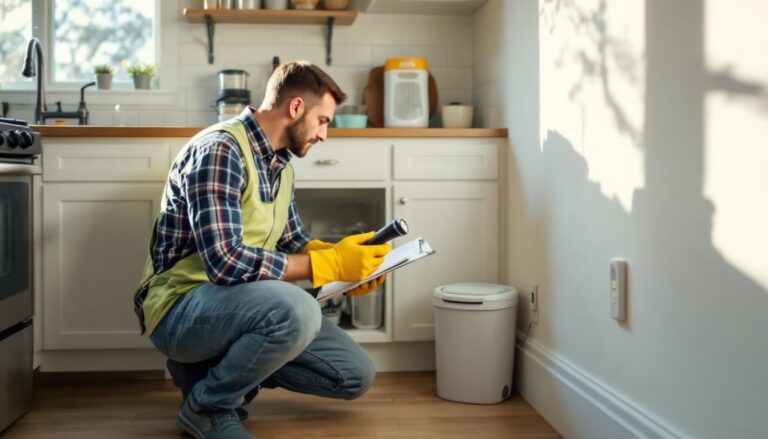
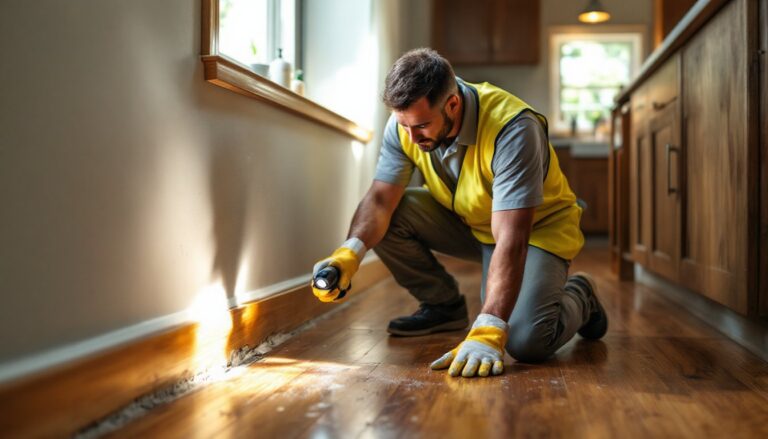
Costly repairs often aren’t covered by standard homeowners insurance, making early detection critical. Look for mud tubes along foundation walls, hollow-sounding wood, or discarded wings near windowsills in spring (swarming season). Wood-boring beetles and powder-post beetles also damage structural wood and flooring. If you suspect an infestation, a licensed pest control pro should inspect immediately: treating a small problem now beats replacing floor joists later.
Mosquitoes and Disease-Carrying Insects
Mosquitoes breed in standing water, birdbaths, clogged gutters, old tires, or even bottle caps. A single female can lay hundreds of eggs, meaning populations explode during wet season (June–September). Beyond the itching, mosquitoes carry dengue fever, Zika virus, and West Nile virus. Cockroaches thrive in Cape Coral’s heat and humidity, entering homes through cracks, pipes, and shipments. They contaminate food and trigger allergies in children and asthmatics. Fire ants build large mounds in yards and can sting repeatedly, causing welts and allergic reactions in some people. Fleas and ticks hide in yard vegetation and on pets, then hitchhike indoors. Even a single female flea can infest a home within weeks.
DIY Pest Control Solutions for Cape Coral Homes
Before calling an exterminator, you can tackle several pest issues yourself with patience and the right approach.
Remove Standing Water: Empty birdbaths twice weekly, clean gutters monthly, and fix leaky outdoor faucets. Mosquitoes need only a bottle cap of water to breed. Check around air conditioning units, pool equipment, and under decks for puddles.
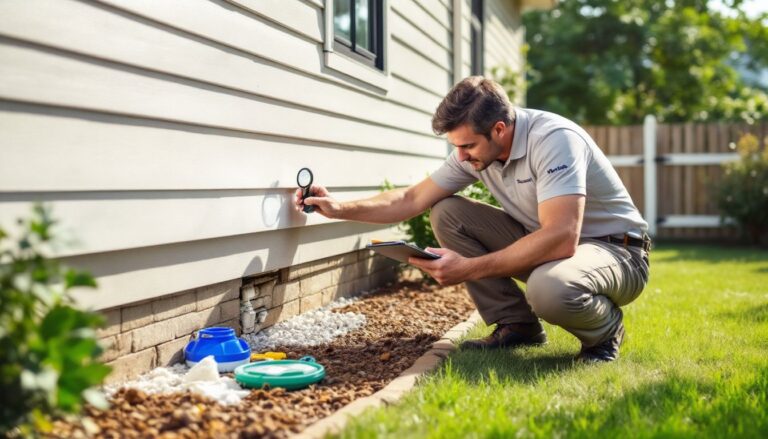
Seal Cracks and Gaps: Walk your foundation and exterior walls with caulk in hand. Pay special attention to where pipes enter walls and around sill plates (the wood framing that sits on the foundation). Polyurethane caulk expands slightly and creates a tighter seal than silicone in humid conditions. On larger gaps, use spray foam first, then trim and caulk over it. Sand and salt spray corrode caulk faster in Cape Coral: recheck annually.
Trim Vegetation: Mosquitoes rest in tall grass and dense shrubs. Mow weekly, keep tree branches trimmed 6–8 feet from your roof, and remove dead vegetation where roaches hide. This isn’t glamorous, but it cuts pest habitat by half.
Use Perimeter Treatments: Boric acid powder (diluted properly and kept away from kids and pets) or diatomaceous earth (food-grade only) can be applied around baseboards and entry points indoors. Reapply after rain and cleaning. For yards, granular insecticides labeled for your target pest work on fire ants and ticks when applied per label directions, always wear gloves and avoid runoff into waterways.
Inspect Wood and Treat Stains: If you spot early termite activity on wood siding or trim, a surface wood treatment (not a cure for deep infestation, but a preventive) may slow damage. But, once termites are inside walls, DIY solutions don’t work: you need a pro with injection equipment and moisture barriers.
Set Traps: Sticky traps for roaches and gnats reveal problem areas. Roach bait stations are effective and low-toxicity if you follow label instructions and place them away from pets. Monitor traps weekly: if you catch more than a few insects per trap, that’s a signal to escalate to professional treatment.
When to Call a Professional Pest Control Service
Some pest problems demand professional intervention, it’s not laziness, it’s smart risk management.
Termite Infestations: Any confirmed termite activity requires a licensed pest control company. Termite bonds (warranties) are only valid if a licensed pro performs the initial inspection and treatment. Most Cape Coral companies offer annual inspections under a bond agreement. The cost, typically $800–$2,000 for initial treatment, plus $100–$200 yearly for monitoring, beats five-figure structural repairs.
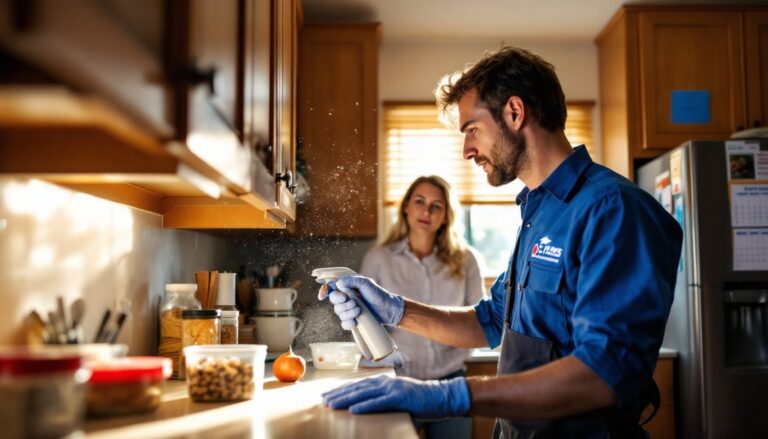
Large Roach or Ant Colonies: A few roaches in the kitchen can be trapped, but if you’re seeing them nightly or finding them in multiple rooms, professionals can apply targeted insecticides and growth regulators that DIY products can’t match. Carpenter ants, which tunnel into wood to nest, require both interior and exterior treatment plus moisture control that a pro can diagnose properly.
Mosquito Fogging or Yard Treatments: Professional-grade equipment and insecticides deliver uniform coverage. Many 24/7 pest control services in Cape Coral offer fogging during peak season or standing barrier treatments. Unlike DIY sprays, they’re applied in low-toxicity ways that protect beneficial insects.
Bed Bugs: These hide in cracks, seams, and electronics, and resist many home remedies. A professional does a thorough inspection, applies multiple treatments over several weeks, and may recommend heat treatment if infestation is severe. Spot-treating yourself usually fails and wastes time while bugs multiply.
Persistent Infestations After DIY Attempts: If you’ve sealed gaps, treated standing water, and set traps for three weeks with no improvement, professionals have diagnostic tools and product access that amateurs lack. An inspection by Action Termite and Pest companies or similar licensed firms costs $100–$150 and reveals root causes you might miss.
When hiring, ask for proof of licensing, references from neighbors, and a written estimate that lists chemicals used and their safety profile. Request products that are low-toxicity and safe around children and pets, especially if you want child-safe pest control options.
Preventing Pests Year-Round in Cape Coral
Prevention is always cheaper than cure. A solid year-round routine stops infestations before they start.
Spring (March–May): Swarming season for termites and increased mosquito breeding. Have your home inspected for termite activity, repair or replace any wood damage, and clear gutters and downspouts. Treat standing water breeding grounds and trim vegetation.
Summer (June–August): Peak mosquito and humidity season. Apply perimeter treatments, maintain lawn height, and check caulking around windows and doors (humidity causes gaps). If you use outdoor fans on patios, keep them running: mosquitoes struggle to fly in moving air.
Fall (September–November): Seal cracks in preparation for cooler months when pests seek warmth indoors. Clean gutters of debris, check weatherstripping on doors, and trim dead branches. This is a good time for a second termite inspection if you had issues that year.
Winter (December–February): Mild winters mean pests don’t disappear. Keep drains clear (roaches hide in pipes), store food in sealed containers, and monitor for any entry points where temperature shifts cause caulk to crack. Consider a pest control contract that includes quarterly inspections through this period.
Maintenance matters as much as treatment. Fix water leaks immediately (pests drink and breed in damp spots), store firewood off the ground and away from the house, keep gutters and screens clean, and don’t leave pet food outdoors overnight. Check your home’s foundation and sill plate annually for soft wood (a sign of termites) or cracks (entry points for insects). On a home service review platform, you’ll find local contractor ratings if you need a foundation inspection or wood repair that’s beyond your skill level.
If you’re planning renovations or repairs, use the opportunity to upgrade sealants and materials. Pressure-treated lumber and closed-cell spray foam are significantly more resistant to termites and moisture than older materials. New construction codes in Florida now mandate termite barriers under slabs and around piers, a standard that reflects decades of local pest damage. Retrofitting older homes with these protections takes effort but pays dividends in longevity and resale value.
Conclusion: Building Your Cape Coral Pest Defense Plan
Cape Coral’s tropical setting is beautiful, until bugs move in. The good news is that a combination of preventive maintenance, smart DIY tactics, and professional support when needed keeps most homes pest-free year-round. Start by removing pest breeding grounds (standing water, overgrown vegetation, unsealed entry points), then layer in regular inspections and seasonal treatments. Resources like contractor review platforms help you find reliable local pest control pros when DIY isn’t enough. Your home is your castle: don’t let unwanted guests storm the walls.