Table of Contents
ToggleChattanooga’s warm, humid climate is perfect for porches and patios, and unfortunately, for pests too. Homeowners in East Tennessee face a different pest lineup than most of the country, thanks to seasonal humidity, proximity to wooded areas, and the region’s milder winters. Whether you’re dealing with termites, cockroaches, mosquitoes, or wildlife, understanding what thrives here and how to stop it makes the difference between a minor annoyance and a serious infestation. This guide walks you through Chattanooga’s most common pests, what works for DIY control, and when to bring in professionals.
Key Takeaways
- Chattanooga’s humid subtropical climate makes termites, cockroaches, and mosquitoes year-round threats, with spring and summer bringing peak pest activity and swarming seasons in April and May.
- Early identification and source control—removing food waste, sealing cracks, and eliminating standing water—enable homeowners to handle minor infestations with DIY methods like gel baits and mosquito dunks.
- Professional Chattanooga pest control is essential for termites, carpenter ants, rodents in attics, and bed bugs, as these pests hide in walls and reproduce quickly, making professional inspection and licensed treatment worth the investment.
- Sealing gaps and cracks with silicone caulk, installing door sweeps, and maintaining 50–60% humidity in crawl spaces form the foundation of effective home pest prevention.
- Natural remedies like essential oils and neem oil work only for mild deterrence and won’t control serious infestations; prevention combined with targeted treatments provides the best long-term protection.
Common Pests in Chattanooga and Why They Thrive Here
Chattanooga’s subtropical East Tennessee location creates ideal conditions for year-round pest activity. The humid summers, mild winters, and proximity to the Tennessee River and surrounding forests mean pests aren’t just a seasonal concern, they’re a way of life for most homeowners here.
Termites are the biggest threat in Chattanooga. Both subterranean and drywood species are active, and the region’s moisture and older home stock make infestations common. Termite colonies grow silently behind walls: early detection saves thousands in structural repairs. German and American cockroaches thrive in warm kitchens and bathrooms year-round. Mosquitoes are relentless in spring through fall, breeding in standing water and marshlands near the city. Fire ants nest in yards and pose a sting risk, especially in warm months. Spider and wasp populations also surge in summer, with some species nesting under eaves and in attics. Wildlife like raccoons, opossums, and squirrels seek shelter in attics and crawl spaces when temperatures drop.
Seasonal Pest Patterns in East Tennessee
Spring and summer bring the peak pest explosion. Termites swarm in April and May: mosquito populations explode as temperatures rise above 50°F: carpenter ants become active: and wasps begin nest construction. Fall sees increased wildlife activity as animals seek winter shelter, plus a second wave of termite swarming in some species. Winter slows pest activity outdoors, but rodents, cockroaches, and spiders move indoors seeking warmth. Understanding these seasonal windows helps you time prevention and treatment effectively.
DIY Pest Control Methods for Homeowners
Not every pest problem requires a service call. Catch infestations early, and you can often handle them yourself with the right approach and realistic expectations.
Start with identification. Know what you’re fighting. Take photos and compare them to reliable online sources (university extension sites are better than general search results). Misidentifying a pest leads to wasted money and repeated failures. Once you know what you have, source-control is your first step: remove food waste, seal cracks, eliminate standing water, and declutter.
For cockroaches, gel baits and diatomaceous earth (food-grade only, not pool-grade) work well in kitchens and bathrooms. Apply bait behind appliances, under sinks, and along baseboards. Wear gloves and a dust mask. Baits work slower than sprays but are safer around pets and kids. For mosquitoes, eliminate standing water, flower pots, gutters, birdbaths, low spots in the yard. Mosquito dunks (Bacillus thuringiensis israelensis, or BTI) stop larvae in water without harming other wildlife. Install a fan on the patio: mosquitoes are weak fliers. For ants and fire ants, use liquid baits outdoors (they spread through nests better than granules) and seal entry points indoors.
Prevention and Natural Remedies
Caulk and weatherstrip gaps around pipes, vents, and doors. Use silicone caulk (not rope caulk) on exterior seams: it lasts longer and resists moisture. Install door sweeps on all exterior doors and seal gaps under them. Exterior caulking is labor-intensive but prevents 80% of pest entry points. Check window frames and soffit vents too, these are major pest highways.
Natural remedies have limits. Peppermint oil, vinegar, and essential oils smell strong but don’t stop termites, carpenter ants, or established infestations. They work for mild deterrence (spiders, some insects) but aren’t reliable for serious problems. Neem oil and insecticidal soaps work on soft-bodied insects like aphids and spider mites outdoors but won’t control indoor cockroaches or termites.
Diatomaceous earth (DE) works on insects with exoskeletons by dehydrating them, but only if applied to dry areas. It loses effectiveness when wet and isn’t a complete solution alone. Wear a mask when applying, the fine particles irritate lungs. For long-term success, combine prevention (sealing, moisture control, sanitation) with targeted treatments, not wishful thinking about oils and powders.
When to Call Professional Pest Control Services
Some infestations are beyond DIY scope. Call a professional if you suspect termites, see carpenter ant damage, have a rodent infestation in the attic, or notice bed bugs. These pests hide in walls, travel through framing, and multiply fast. One or two missed individuals restart the entire population.
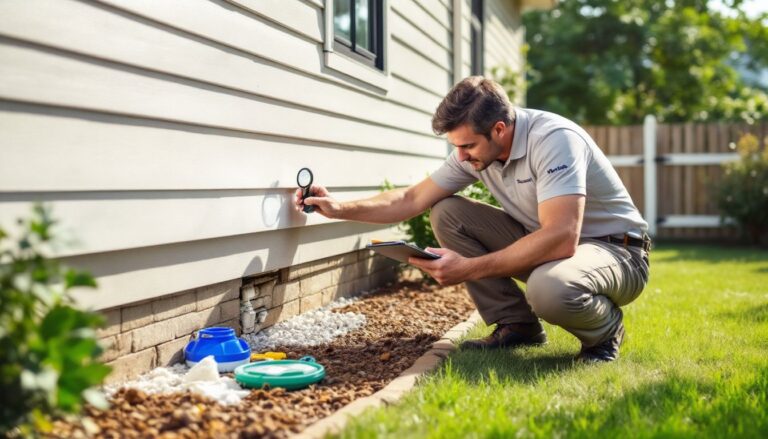
Termite treatment requires inspection equipment, licensed applicators, and often liquid barriers applied to the soil around the foundation, work that takes training and liability insurance. Mistakes here lead to structural failures. Most Chattanooga pest control companies offer free inspections: take advantage. They’ll identify damage you’d miss and explain treatment options (baiting systems, soil treatments, spot treatments).
Rodent exclusion and removal is best left to professionals. Trapping alone doesn’t stop new mice from entering through quarter-inch gaps. Pros seal entry points after removal, preventing recurrence. Bed bugs require whole-room heat treatment or multiple insecticide applications, not a DIY project. Wasp and hornet nests near living areas should be handled by someone with protective gear and experience: stings are serious, especially for people with allergies.
When hiring, get multiple quotes, ask about guarantees, and check online reviews. Look for companies offering 24/7 pest control services if emergency treatment matters to you. Verify they’re licensed by Tennessee’s Department of Agriculture and use products registered by the EPA. Ask whether they treat preventatively with quarterly or monthly visits, this costs less than emergency calls and catches early problems.
Protecting Your Home: Maintenance and Prevention Tips
The best pest control is prevention. A sealed, dry, clean home repels most pests before they settle in.
Fix moisture problems first. Pests thrive in damp crawl spaces, leaky basements, and humid bathrooms. Install a dehumidifier in crawl spaces (aim for 50–60% humidity). Check gutters for clogs: downspouts should drain water at least 6 feet from the foundation. Seal foundation cracks with concrete caulk or epoxy injection. A dry home is a pest-resistant home.
Trim vegetation and remove debris. Cut tree branches back 6–8 feet from the roof: they’re highways for ants, squirrels, and other pests. Remove deadwood, leaf piles, and mulch piled against the house. Store firewood 20 feet away and off the ground, termites colonize stacked wood near the house. Clear gutters twice yearly in fall and spring.
Inspect your exterior regularly. Walk the perimeter monthly, looking for gaps, cracks, droppings, or signs of nesting. Replace damaged soffit, fascia, and siding. Check attic vents and louvers for gaps: install 1/8-inch metal mesh over them. Seal gaps around utility lines and plumbing where they enter the home. These small investments stop major infestations.
Indoors, practice sanitation. Don’t leave food or water sources: wipe spills, rinse dishes immediately, store food in airtight containers, and take out garbage daily. Declutter, pests hide in piles of boxes, papers, and fabric. Vacuum regularly to remove crumbs and pest droppings. Store pantry items in sealed containers, not opened boxes. Many homeowners find that consulting home improvement cost guides helps budget for larger pest-prevention projects like foundation repairs or attic sealing. For professional advice on local options, the top-rated pest control specialists in Chattanooga can also guide you.
Conclusion
Chattanooga’s climate makes pest control a year-round responsibility, not a one-time fix. Start with prevention, seal gaps, manage moisture, and maintain your yard. Handle minor infestations with targeted DIY methods early on. For termites, established rodent problems, or pest infestations spreading indoors, hire licensed professionals. The cost of an annual inspection or quarterly preventative service is far less than repairing termite damage or dealing with a bed bug infestation. Stay vigilant, act fast when you spot trouble, and you’ll keep your Chattanooga home pest-free.