Table of Contents
TogglePests don’t schedule appointments or wait for your permission to move in. A single cockroach sighting or ant trail can trigger the urge to call a professional immediately, and sometimes that’s the right call. But for many common household pest problems, DIY pest control saves money and gives homeowners direct control over the timeline and methods used. Whether dealing with ants, roaches, spiders, or rodents, understanding when and how to treat the problem yourself separates those who regain their homes from those who keep writing checks. This guide walks through identification, tools, treatment methods, and the honest threshold where professionals become necessary.
Key Takeaways
- DIY pest control saves $300–$500+ per professional visit while giving you control over treatment timing, products, and methods.
- Accurate pest identification through visual inspection, photos, and county extension services prevents wasted money on wrong treatments.
- Essential DIY pest control tools include gel baits, diatomaceous earth, caulk, sprayers, and protective equipment—start with basics effective across multiple pest types.
- Common household pests like ants, cockroaches, and rodents respond well to targeted DIY treatments when you follow product labels, apply baits during dusk, and wait 7–10 days before assessing results.
- Prevention through sealing entry points, eliminating water sources, securing food, and reducing clutter costs far less than treating infestations.
- Call a professional for bed bugs in multiple rooms, extensive rodent entry, termites, carpenter ants, or if you’re uncertain about identification or product safety.
Why Choose DIY Pest Control Over Professional Services
Professional pest control runs $300 to $500+ per visit, and routine preventative treatments stack up quickly. DIY pest control cuts costs dramatically, you’re paying for products, not labor and markup. Control matters too. When you handle treatments yourself, you choose the timing, frequency, and product types rather than hoping a technician schedules around your work calendar.
DIY work also reduces chemical exposure indoors. Many homeowners prefer targeted, lower-toxicity applications over broad-spectrum treatments a professional might apply. You know exactly what’s being sprayed, where, and can ventilate accordingly.
The trade-off is time and expertise. Professional services carry liability insurance, use commercial-grade equipment, and have seen every pest scenario imaginable. They also understand local building codes and legal restrictions on certain pesticides. If a treatment fails or damages something, pros are responsible. You aren’t, unless you apply products incorrectly or against label directions.
Identify Your Pest Problem First
Misidentifying the pest leads to wrong treatments, wasted money, and continued infestations. Spend time confirming what you’re actually dealing with before buying anything.
Visual signs vary widely. Ants leave visible trails and nest debris (fine sand or wood particles). German cockroaches cluster in dark, warm gaps near plumbing or under appliances, American roaches are solitary and larger. Bed bugs leave small blood spots on sheets and bites on skin in lines or clusters. Rodent droppings are 1/4 inch long and dark: smaller, grainier droppings suggest insects instead.
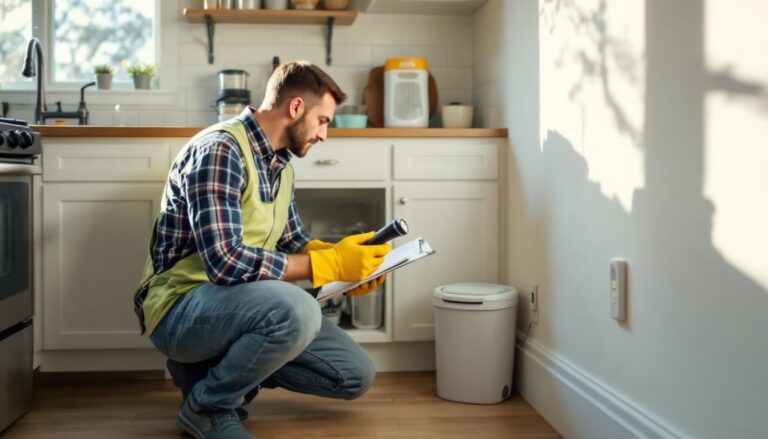
Take photos or collect a specimen. Snap clear pictures of damage, droppings, or the pest itself. If you trap a live insect, place it in a sealed container and photograph it with a coin or ruler for scale. County extension offices often identify pests free or cheap, search “[your county] extension pest identification” online. Many extension services offer photo ID through email, which beats guessing.
Look for patterns. When are you seeing pests? Certain times suggest breeding cycles or seasonal entry points. Are they concentrated in one room or throughout the house? Ants often follow walls and plumbing lines: roaches cluster near food and water sources. Bedbugs concentrate in sleeping areas. These patterns guide treatment placement.
Essential Tools and Products You’ll Need
Stock your pest control kit based on the target pest, but start with basics that work across multiple scenarios.
Inspection tools:
• Flashlight (bright, handheld model)
• Magnifying glass (confirms small insect details)
• Caulk gun or screwdriver (for probe access into cracks)
• Measuring tape (assess gap sizes for sealant)
Application equipment:
• Pump sprayer or trigger-spray bottle (liquid insecticides and neem oil)
• Dust applicator or turkey baster (for powder diatomaceous earth or boric acid)
• Caulking gun (silicone caulk seals entry gaps)
• Gloves, safety glasses, and a dust mask or respirator (when using powders or concentrated sprays)
Pest-specific products:
• Diatomaceous earth (food-grade): Non-toxic powder that damages insects’ exoskeletons. Works on ants, roaches, bed bugs, fleas. Effective but slow (days to weeks).
• Boric acid: Strong against roaches and ants, highly toxic if ingested, never use around children or pets.
• Liquid insecticides with pyrethrin or permethrin: Fast-acting on contact: common in spray formulas for roaches, spiders, and general insects.
• Gel baits: Low-toxicity, highly effective for ants and roaches. Place in corners, under sinks, and along trails. Pests carry bait to nests, killing colonies.
• Sticky traps: Monitor and trap rodents, insects. Also useful for tracking pest activity before treatment.
• Caulk (silicone or paintable): Seals cracks where pests hide and enter.
Always read product labels fully. Follow mixing ratios, application rates, and safety warnings. Spot-test sprays on inconspicuous areas to avoid staining. Many effective products are inexpensive, don’t overspend on premium brands without understanding why the extra cost applies.
Step-by-Step Treatment Methods for Common Household Pests
Ants
- Locate the trail and entry point. Follow ants to their food source or nest.
- Clean the area thoroughly with soap and water to remove pheromone trails.
- Place gel baits along the trail and near entry points. Ants carry poison back to the nest.
- Wait 7–10 days before cleaning up dead ants. Removing bait too early lets survivors rebuild.
- Seal cracks and entry gaps with caulk.
German Cockroaches
- Deep-clean the area: remove food, grease, and clutter. Vacuum cracks and crevices.
- Apply gel baits in thin lines (not globs) behind appliances, under sinks, in corners, and under cabinet edges.
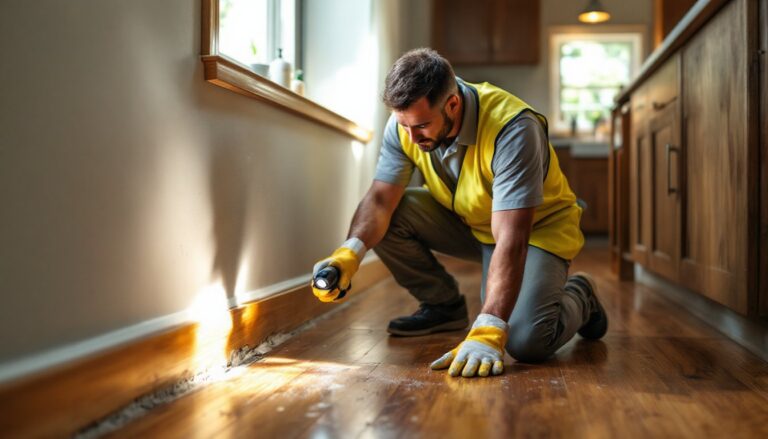
- Dust diatomaceous earth or boric acid lightly in wall voids and under baseboards. Heavy powder looks obvious and is less effective.
- Repeat baiting every 2 weeks if activity continues. Roaches reproduce quickly: expect 4–6 weeks to break the cycle.
Bed Bugs
- Wash all bedding, clothing, and soft furnishings in hot water and high heat dryer (130°F minimum kills bugs).
- Vacuum mattresses, box springs, and headboards thoroughly. Empty vacuum outside immediately.
- Seal mattress and box spring in bug-proof encasements. Trapped bugs starve in 6–12 months.
- Apply diatomaceous earth around bed legs and baseboards. Reapply after vacuuming weekly.
- Monitor with sticky traps under bed corners. If activity persists after 3 weeks, call a professional, bed bugs resist DIY treatments increasingly.
Rodents (mice and rats)
- Seal holes larger than 1/4 inch with steel wool, caulk, or hardware cloth. Rodents gnaw through soft materials.
- Set snap traps or electronic traps along baseboards where droppings appear. Bait with peanut butter or nesting material.
- Place traps perpendicular to walls: rodents run along edges.
- Check traps daily. Dispose of dead rodents in sealed bags: wear gloves and mask.
- Remove food sources: store dry goods in sealed containers, clean up crumbs, secure garbage.
Spiders and Occasional Insects
- Caulk cracks around windows, doors, and baseboards.
- Reduce clutter and cobwebs with a vacuum.
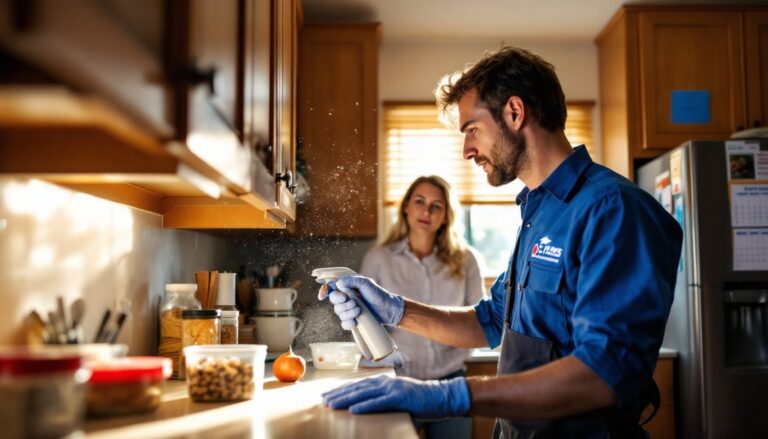
- Apply a light perimeter spray around door frames and window sills. Many effective options are available from major home and garden retailers.
- Ensure screens fit tightly and are undamaged.
Treatment timing matters. Apply baits and sprays during dusk when pests are most active. Re-treat on schedule even if you don’t see activity immediately, pests may be hiding but still present.
Prevention Strategies to Avoid Future Infestations
Prevention is cheaper and easier than treatment. Most pest problems start with access and food sources.
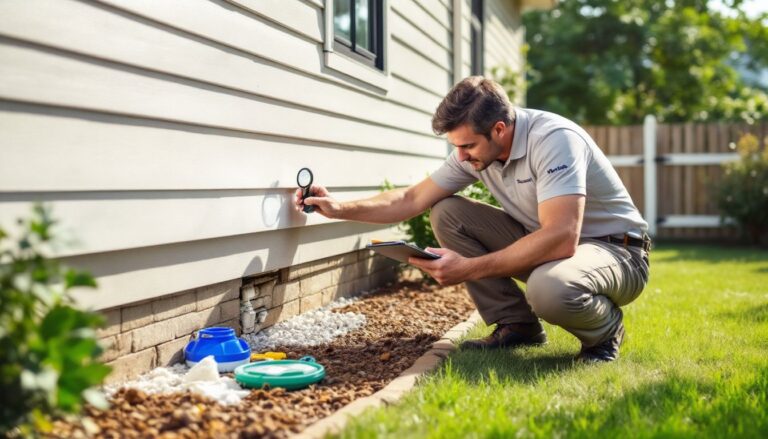
Seal entry points: Inspect foundation cracks, gaps around pipes, and spaces under doors and windows. Any opening larger than 1/16 inch invites insects: 1/4 inch or larger admits rodents. Use expanding foam for large gaps, caulk for smaller ones, and weatherstripping under doors. Focus on areas near food sources, under kitchens, bathrooms, and utility rooms.
Eliminate standing water and moisture: Pests drink constantly. Fix leaky pipes, ensure gutters drain away from the house, and seal crawl space vents if moisture builds. Run exhaust fans in bathrooms during and 30 minutes after showers. Poor drainage around foundations creates damp soil that attracts insects.
Secure food sources: Store dry goods in airtight containers. Empty trash regularly and keep bins sealed. Don’t leave pet food out overnight. Clean under appliances where crumbs collect, roaches thrive in grease and debris. Compost bins should be at least 10 feet from the house and securely lidded.
Reduce clutter: Pests hide in stacks of boxes, newspapers, and fabric. Donate or discard items you don’t use. Store seasonal decorations in sealed plastic bins, not cardboard. Decluttered spaces make pest sightings obvious and treatment easier.
Maintain yard perimeter: Trim vegetation 2–3 feet from the house. Rodents use overgrown plants as highways to entry points. Remove dead wood piles and don’t mulch directly against foundation, leave 12 inches of bare ground. Check landscaping for signs of burrowing rodents.
Professional monitoring: Even with prevention, pests sometimes slip through. Sticky traps in problem areas (basement corners, under sinks, garage) cost little and catch invaders early. Replace quarterly. Early detection means easier, cheaper treatment.
When to Call a Professional Instead
Honest assessment: some problems exceed DIY scope. Know your limits to avoid making situations worse.
Call a pro when:
Bed bug infestation is widespread. If bed bugs appear in multiple rooms or you’ve tried DIY treatments for 3+ weeks without success, professional heat treatment or targeted chemical application works far better. The cost ($1,000–$3,000+) justifies itself because DIY often fails and spreads bugs to new areas.
Rodent entry is extensive. If you find multiple entry points, signs throughout the house, or rodents in walls or attic, professionals with fumigation equipment and proper waste disposal are necessary. A single missed entry point means reinfestation.
Termites or carpenter ants appear. These cause structural damage. Misdiagnosis or improper treatment wastes time while damage worsens. Termite treatment often requires opening walls, professional licensing and insurance matter here. Some states require licensed inspectors to certify treatment.
Wasp or bee nests require removal. Nests in or near the house pose allergic reaction risks. Professionals safely relocate honey bees and remove paper wasp or hornet nests without injury. Never attempt this yourself.
You have health concerns or unknowns. If anyone in the household is pregnant, immunocompromised, or chemically sensitive, professional consultation ensures safe product choice. Likewise, if you’re unsure about pest identification or proper product use, one professional visit clarifies the path forward.
Local codes or HOA rules restrict DIY treatments. Some areas limit pesticide applications or require licensed applicators for certain treatments. Check local regulations before buying products.
Conclusion
DIY pest control works well for common household pests when you identify correctly, use products as directed, and tackle prevention seriously. Start small, monitor results, and scale up only if needed. The skills and savings from successful DIY treatment build confidence for future projects. But, don’t let pride or budget squeeze override safety or effectiveness, some infestations demand professional expertise. The goal is a pest-free home, not proving you can do it alone. With solid identification, the right tools, and realistic expectations, most homeowners reclaim their space without calling in reinforcements.