Table of Contents
ToggleDiscovering unwanted guests crawling through your kitchen or nesting in your walls is every homeowner’s nightmare. Whether it’s ants, termites, rodents, or something worse, a pest infestation demands fast, reliable action. But knowing where to start, whether to call in professionals or tackle the problem yourself, can feel overwhelming. This guide walks you through finding trustworthy insect and pest control services near you, evaluating your options, and taking the right approach for your home’s situation.
Key Takeaways
- Professional insect and pest control services near you provide licensed expertise, specialized equipment, and warranties that DIY approaches cannot match, especially for termites, bedbugs, and large-scale infestations.
- Before hiring any insect and pest control provider, verify their license and insurance, check reviews across multiple platforms, and get written estimates from at least two companies that specify treatment methods and warranties.
- DIY pest management works best for prevention and early-stage infestations through sealing gaps, removing food sources, and using baits or traps, but if problems persist after two weeks, professional help is needed.
- Common household pests like termites, rodents, and roaches require different approaches: termites demand professional structural treatment, rodents need both traps and exclusion work to seal entry points, and roaches typically require professional baits and growth regulators.
- Pest control costs range from $75–$150 for inspections to $40–$150 monthly for service plans, with termite treatments between $500–$2,500, making prevention and bundling services effective ways to manage expenses.
- Start your pest control action plan by identifying the pest type, contacting two local operators for free or low-cost inspections, and scheduling annual inspections in high-risk areas to prevent costly infestations from developing.
Understanding Your Local Pest Control Options
Professional Pest Control Services
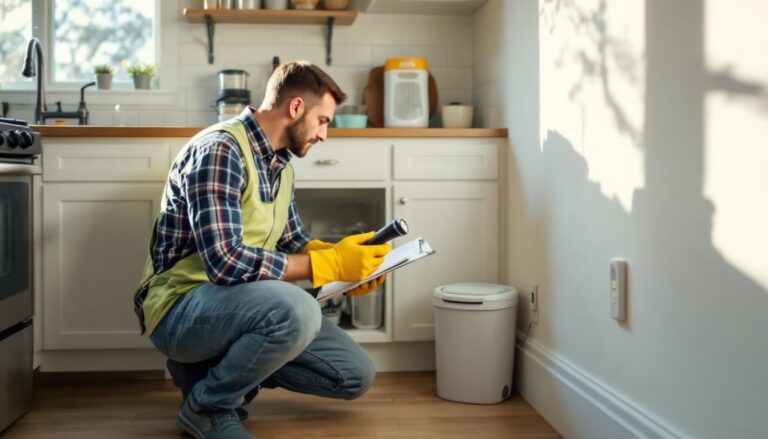
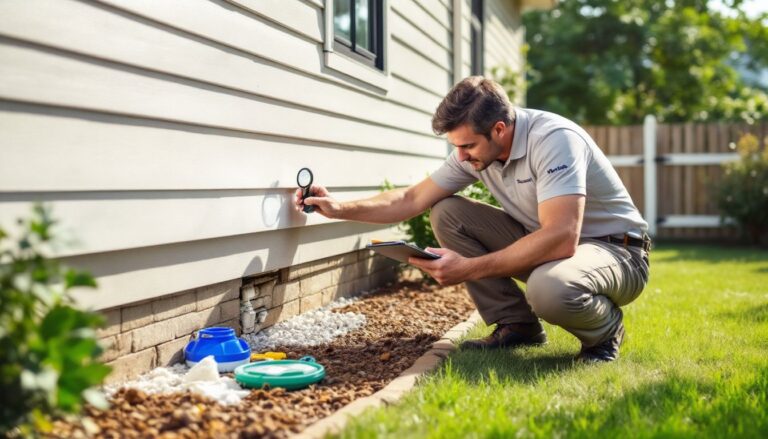
Professional pest control operators bring licensed expertise, specialized equipment, and warranties to the job. They typically start with a thorough inspection, identify the pest species and entry points, then recommend a treatment plan tailored to your home. Most professionals use integrated pest management (IPM), a strategy combining prevention, monitoring, and targeted treatments rather than blanket pesticide applications.
When you hire a licensed operator, you’re getting someone trained in pest behavior, local regulations, and safe chemical handling. Many states require pest control technicians to pass certification exams and maintain continuing education. They’ll also explain application methods clearly: whether they’re using sprays, baits, dust formulations, or other approaches.
DIY Pest Management Solutions
DIY approaches work best for early-stage infestations or prevention. Common tactics include sealing cracks and gaps, removing food and water sources, clearing clutter, and applying over-the-counter baits or traps. Products like roach baits, ant stations, and sticky traps are effective for specific pests when used correctly.
But, DIY has limits. Termite infestations, bedbugs, and large-scale rodent problems almost always require professional treatment. If you’ve applied DIY solutions for two weeks without improvement, it’s time to call the experts. Many pest control companies actually appreciate homeowners who’ve already cleared clutter and sealed obvious gaps, you’ve done half the preparation work already.
What To Look For In A Local Pest Control Provider
Before hiring any company, verify that they’re licensed and insured. Most states require pest control operators to hold a current pesticide applicator license: check your state’s department of agriculture or environmental quality website to confirm. Insurance protects you if something goes wrong on your property.
Read recent reviews on Google, Yelp, or the Better Business Bureau. Look for patterns: Do customers mention fast response times? Fair pricing? Follow-up treatments? One five-star review doesn’t tell you much, but consistent praise across multiple platforms is reassuring. Conversely, watch for recurring complaints about high-pressure sales tactics or promises of one-time fixes for recurring problems.
Get written estimates from at least two companies. A solid estimate should specify the pest type, treatment method, application areas, expected timeline, and warranty (if any). Beware of companies quoting prices over the phone without an inspection, they’re guessing. Ask what happens if the pests return within the warranty period: reputable firms offer retreatment at no extra cost.
Check whether they handle the specific pest you’re dealing with. A company that specializes in termites might not be your best choice for a rodent problem. General pest control operators handle common insects and rodents, but wildlife removal often requires a separate specialist. You can find pest control specialists in your area with verified reviews to compare options and read customer feedback before making contact.
Common Household Pests And When To Call The Experts
Ants range from harmless nuisances to dangerous carpenter ants that damage wood structures. If you see a single ant, crushing it doesn’t solve the problem, there’s a colony somewhere. Baits work by letting worker ants carry poison back to the nest, but timing matters. If DIY baits don’t reduce activity within 10 days, call a professional.
Termites are a structural threat and typically require professional treatment. If you spot mud tubes on foundations, hollow wood that sounds papery when tapped, or swarms of winged insects, don’t wait. Termite damage compounds quickly and gets expensive fast. Most pros will recommend annual inspections if you live in a termite-prone region.
Roaches and bedbugs are notoriously difficult to eliminate without professional help. Over-the-counter sprays often kill only what you see: professionals use baits and growth regulators that target the entire population. Bedbugs especially require knowledge of their hiding spots and heat treatment options that homeowners typically can’t execute alone.
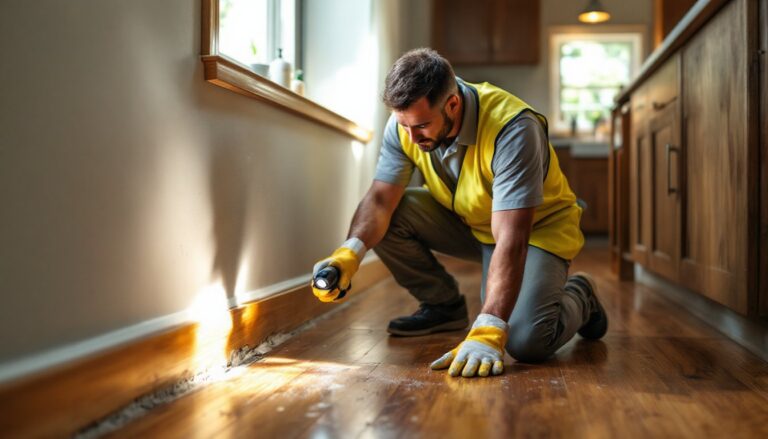
Rodents (mice and rats) need both traps and exclusion work. Snap traps and bait stations work, but if you’re catching new mice weekly, you’ve got entry points to seal. Wildlife pest control services can identify these gaps and recommend sealing materials, typically ½-inch wire mesh or hardware cloth for gaps, caulk or foam sealant for smaller cracks. Remember: a mouse can squeeze through a hole the size of a dime.
Centipedes and millipedes are harmless but unsettling. They thrive in damp, cluttered spaces. Fix moisture issues (leaky pipes, poor drainage) and declutter first. If problems persist, professionals use targeted insecticide applications to baseboards and entry areas. For detailed guidance on specific creatures, resources like pest control solutions for centipedes explain identification and treatment strategies.
Cost Expectations And Budget-Friendly Approaches
Pest control pricing varies wildly by region, pest type, and infestation severity. A single inspection visit might run $75–$150. Monthly service plans for common pests typically range from $40–$150 per month, depending on your location and what’s included. Termite treatments are pricier, often $500–$2,500 or more for whole-home barriers, but they’re one-time or multi-year investments that prevent catastrophic damage.
To keep costs down, start with prevention. Seal cracks, eliminate standing water, store food in airtight containers, and take out trash regularly. These steps reduce pest attraction and often mean you don’t need professional help at all. When you do hire someone, bundling services, say, general pest control plus termite inspection, often costs less than hiring separate specialists.
Some budget-conscious homeowners start with DIY baits and traps, then call a pro only if the problem escalates. That’s a reasonable approach for ants or roaches. But, for structural pests like termites or significant rodent infestations, delaying professional help usually costs more in the long run. Resources like home improvement cost guides can help you set realistic budgets and compare regional pricing for pest control and related home repairs.
Taking Action: Your Next Steps
Start by identifying what pest you’re dealing with. Take photos if possible, blurry images of droppings or damage help professionals diagnose the problem faster. Note when and where you see activity: kitchen at night, basement all day, etc.
Next, contact at least two local operators. Ask for inspections: most offer free or low-cost initial evaluations. During the inspection, ask questions about their treatment approach, timeline, and what you need to do (clear out kitchen cabinets, keep pets away during application, etc.). Pay attention to how they communicate, do they explain things clearly or push you toward the most expensive option without justification?
Once you hire someone, follow their pre-treatment instructions carefully. Proper preparation, moving items, clearing floors, securing pets, dramatically improves results. After treatment, stick to any recommended follow-up visits or monitoring. 24/7 pest control options are available in many areas if you’re dealing with an urgent infestation or need flexible scheduling.
For ongoing peace of mind, schedule annual inspections if you’re in a high-risk area for termites or rodents. Prevention is always cheaper than remediation. Most reliable operators will remind you when inspections are due and offer discounted rates for regular customers.