Table of Contents
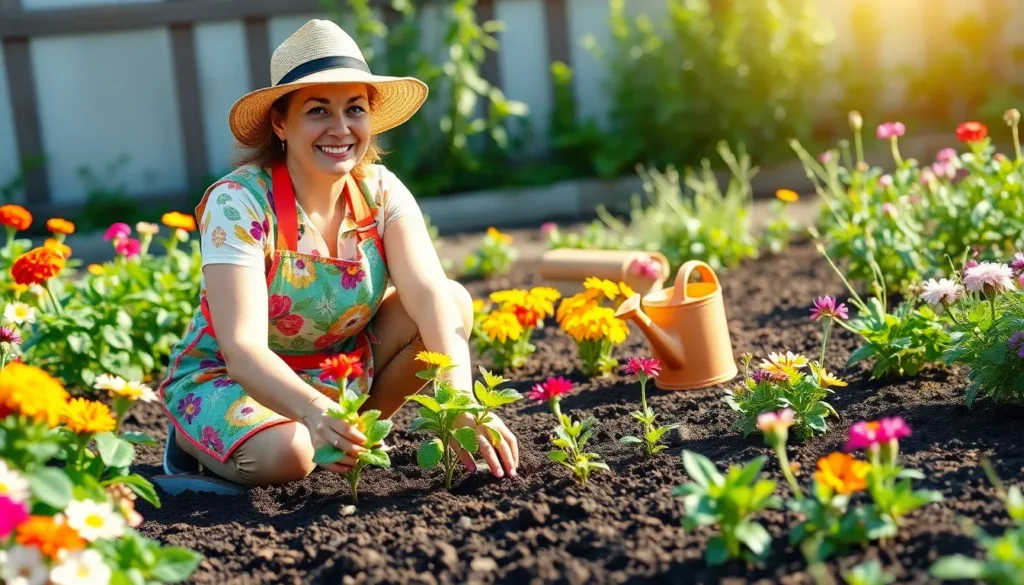
ToggleAs the frost melts away and the sun starts to peek through the clouds, gardeners everywhere feel a familiar itch. Spring is here, and it’s time to dust off those gardening gloves and dig into the dirt! Whether you’re a seasoned pro or a novice with a questionable track record of keeping plants alive, this season offers a fresh start and a chance to unleash creativity in the garden.
Benefits Of Spring Gardening
Spring gardening offers numerous advantages that enhance both plant vitality and soil quality. Gardeners can harness these benefits to improve their outdoor spaces.
Improved Soil Health
Enhanced soil health occurs during this season, as warmer temperatures and moisture levels support microbial activity. Organisms thrive in these conditions, resulting in better nutrient absorption for plants. Incorporating compost and organic matter during spring enriches the soil structure and provides essential nutrients. These practices lead to improved drainage and aeration, promoting root development. Prioritizing soil health at the beginning of the growing season sets a solid foundation for successful gardening.
Vibrant Plant Growth
Spring marks the optimal time for vibrant plant growth, with longer daylight hours and increased temperatures stimulating photosynthesis. Diverse flowering plants and vegetables flourish during these conditions, showcasing a spectrum of colors and textures. Choosing to plant perennials during this season maximizes growth potential, leading to a more robust garden. Additionally, early planting allows gardeners to enjoy abundant yields before summer heat sets in. Observing the rapid transformations in plant development elevates the gardening experience during spring.
Essential Tools For Spring Gardening
Spring gardening requires the right tools to ensure efficiency and effectiveness. Equipped with essential instruments, gardeners can maximize their efforts and enjoyment during the season.
Gardening Hand Tools
Gardening hand tools include various instruments crucial for planting, pruning, and maintaining a garden. Trowels assist with digging small holes for planting seeds or bulbs. Pruners make it easy to trim and shape plants for optimal growth. Hand rakes are ideal for gathering leaves and debris, while weeders efficiently remove unwanted plants. Additionally, gloves protect hands from thorns and dirt, enhancing comfort and safety. Each tool plays a vital role in creating a thriving garden.
Power Tools For Efficiency
Power tools streamline gardening tasks, making processes quicker and less labor-intensive. Lawn mowers maintain a neat yard, while string trimmers tidy edges around flower beds and pathways. Cultivators break up soil and improve aeration for healthier plants. Chainsaws manage larger branches and trees, ensuring safety and preventing hazards. Pressure washers clean patios and paths, enhancing the overall garden appearance. Using these tools not only saves time but also enhances the gardening experience.
Planning Your Spring Garden
Planning a spring garden requires thoughtful consideration and preparation. Gardeners can create a vibrant landscape by selecting the right plants and designing an effective layout.
Choosing The Right Plants
Selecting plants for spring gardening involves understanding climate zones and soil conditions. Consider native plants that thrive in your area, as they often require less maintenance. Annuals like marigolds and impatiens provide bright colors quickly. Perennials such as daylilies or coneflowers offer beauty year after year. Edible plants, including lettuces and radishes, can flourish in early spring. Assess light requirements and space for each plant. This approach leads to a balanced garden design that maximizes growth potential.
Layout Design Tips
Designing the layout of a spring garden enhances overall aesthetics and functionality. Begin by sketching a rough plan that includes plant heights and spacing. Placing taller plants at the back or center ensures they don’t overshadow shorter ones. Group similar plants together for easier maintenance and visual appeal. Incorporate pathways for access and air circulation. Consider adding focal points, such as decorative pots or trellises, to enhance interest. Effective design creates a cohesive and inviting space that encourages exploration.
Maintenance Tips For Successful Spring Gardening
Successful spring gardening relies on proper maintenance techniques. Implementing effective strategies boosts plant health and yields.
Watering Strategies
Watering plants involves understanding their specific needs. Early morning watering proves beneficial, allowing moisture to penetrate before evaporation occurs. Deep watering encourages root growth; aim for approximately 1 inch of water per week, including rainfall. Using mulching techniques helps retain soil moisture and reduces weed competition. Adjust watering frequency based on weather conditions, ensuring adequate hydration during dry spells while avoiding over-saturation in wet periods.
Pest Control Methods
Pest control plays a critical role in maintaining a healthy garden. Introducing beneficial insects like ladybugs and lacewings can minimize pest populations naturally. Regularly inspecting plants for signs of infestation, such as chewed leaves or webbing, allows for early intervention. Organic solutions, like neem oil or insecticidal soap, provide safe alternatives to chemical pesticides. Companion planting with pest-repelling herbs, like basil or marigolds, deters harmful insects while promoting plant vigor.
Spring gardening offers an exciting opportunity for all gardeners to embrace the season’s renewal. With the right tools and thoughtful planning, anyone can cultivate a flourishing garden that thrives in the warmer months. By focusing on soil health and selecting appropriate plants, gardeners can create vibrant spaces that not only enhance their homes but also contribute to the environment.
Incorporating effective maintenance strategies ensures that plants remain healthy and productive throughout the season. As spring unfolds, the joy of nurturing a garden becomes a rewarding experience, fostering a deeper connection to nature and the satisfaction of watching life flourish. Embracing these practices will lead to a bountiful garden and a fulfilling gardening journey.