Table of Contents
ToggleFinding termites in your home is every homeowner’s nightmare. These wood-eating insects cause an estimated $5 billion in damage annually across North America, and the longer an infestation goes undetected, the more expensive the repair bill becomes. Termidor termite treatment has emerged as one of the most trusted solutions for both preventing and eliminating termite colonies. Whether you’re dealing with an active infestation or want to protect your home from future damage, understanding how Termidor works, and whether it’s the right choice for your situation, is essential for making an well-informed choice about your pest control strategy.
Key Takeaways
- Termidor termite treatment uses fipronil to disrupt termite nervous systems and spread the active ingredient throughout the entire colony through the ‘transfer effect,’ eliminating infestations that can otherwise cost $5 billion in annual damage.
- Properly applied Termidor barriers remain effective for up to 15 years, significantly reducing long-term pest control costs compared to alternative treatments like bait stations that require frequent reapplication.
- Professional Termidor application is essential and typically costs $1,200 to $2,500 for an average home, with actual treatment taking 4 to 8 hours, and effectiveness visible within 2 to 4 weeks.
- Termidor comes in two main formulations—SC (liquid concentrate) for soil barriers around foundations and FOAM for spot treatments in hard-to-reach areas, with treatment methods adjusted based on your home’s specific infestation or prevention needs.
- A licensed pest control professional must apply Termidor to ensure compliance with EPA label directions and local building codes, making it crucial to verify contractor licensing and obtain multiple quotes before treatment.
What Is Termidor and How Does It Work
Termidor is a professional-grade termiticide that’s been used by pest control professionals since 2000. Unlike older pesticides that simply repel termites, Termidor uses an active ingredient called fipronil, which disrupts the central nervous system of termites through contact and ingestion. When a termite encounters the treated barrier, it doesn’t immediately die, instead, it becomes a vector that transfers the active ingredient back to the colony through normal termite behavior and grooming.
This process is called the “transfer effect,” and it’s what makes Termidor so effective against subterranean termites (the most destructive species in North America). A single termite exposed to Termidor can poison dozens of nestmates before the colony even realizes the threat. The treatment typically targets the soil around your home’s foundation, creating a chemical barrier that termites cannot cross without being exposed.
Termidor comes in a few formulations: Termidor SC (suspended concentrate) is the liquid concentrate mixed with water for soil application, while Termidor FOAM is pressurized and used for spot treatments in voids or hard-to-reach areas. For homeowners, understanding this difference matters because it affects how the treatment is applied and which situations call for which product.
Why Termidor Is an Effective Termite Solution
Termidor has earned its reputation for reliability. Field studies consistently show 95%+ effectiveness against subterranean termites when applied correctly. Unlike baiting systems, which require termites to find and consume the bait, Termidor creates a protective perimeter that termites simply cannot bypass without exposure.
The key advantage is longevity. Properly applied Termidor barriers remain effective for up to 15 years, far longer than many alternative treatments. This means fewer reapplications and, over time, lower costs even though higher upfront expenses. Homeowners who’ve dealt with recurring termite problems often switch to Termidor specifically because the long-term protection justifies the investment.
Another strength is flexibility. Termidor works against both established colonies and as a preventative barrier. If you’ve already had termites, a professional will use it to eliminate the colony and then establish a protective zone. If you’re in a high-risk area (wooded lots, older homes with wood-to-soil contact), preventative Termidor application can stop problems before they start. The fipronil-based termiticide used in Termidor SC has been rigorously tested in laboratory and field conditions, making it one of the most documented termite treatments available.
Active Ingredients and Mechanism of Action
Termidor’s active ingredient, fipronil, is a second-generation phenylpyrazole insecticide. It works by blocking GABA receptors in an insect’s nervous system, which disrupts normal neural transmission. For termites, this means paralysis and eventual death, but the process isn’t instantaneous, and that’s actually by design.
If Termidor killed instantly, affected termites wouldn’t have time to return to the colony and share the lethal dose with their nestmates. Instead, the slower action allows the affected termite to move through the colony, groom with other termites, and spread the active ingredient via food-sharing behaviors (a behavior called trophallaxis). This chain reaction can eliminate an entire colony, sometimes tens of thousands of individuals, from a single exposure point.
The concentration matters too. Commercial-grade Termidor contains 0.06% fipronil, which is lethal to termites but has a very low mammalian toxicity profile when applied according to label directions. This is why it’s approved for use around occupied homes, the active ingredient breaks down over time and doesn’t accumulate in the environment like some older chlorinated hydrocarbons did.
Termidor Treatment Methods and Application
Termidor application isn’t a DIY job in most cases. Proper treatment requires professional equipment, licensing (most states require pesticide applicators to be certified), and knowledge of local building codes. That said, understanding the methods helps you work effectively with a pest control professional and set realistic expectations.
Soil Barriers and Liquid Application
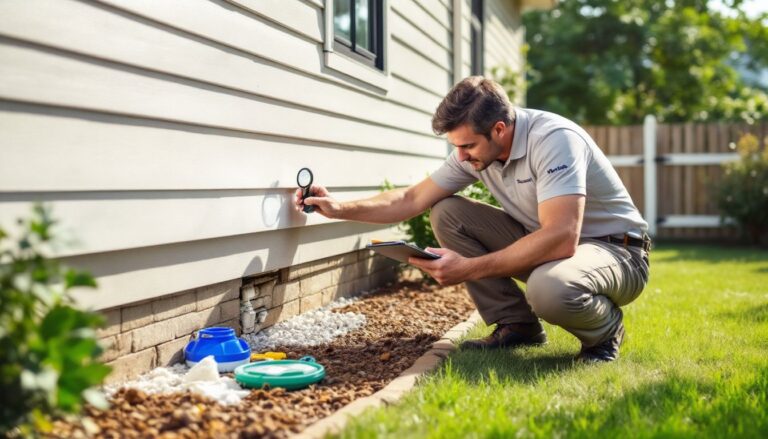
The most common Termidor application is the termiticide soil barrier. A licensed pest control operator will dig a trench around your home’s foundation (typically 6 inches deep, 6 inches wide) and apply a diluted Termidor SC solution to both the trench and the undisturbed soil below. This creates a chemical moat that subterranean termites cannot penetrate without exposure.
The application rate is critical, the EPA label specifies a specific volume of diluted Termidor per linear foot (usually around 4 gallons per 10 linear feet, depending on soil type and foundation material). Too little, and the barrier has gaps: too much wastes money and violates label directions. A professional pest control company will adjust the application based on your home’s square footage, soil conditions, and whether interior or exterior treatment is needed.
For existing infestations, professionals may also inject Termidor into wall voids, under slab foundations, or directly into visible mud tubes using injection equipment. This targets the colony more directly while the soil barrier prevents reinfection. In some cases, Termidor FOAM is used for these spot treatments because it expands to fill cavities and voids more effectively than liquid alone.
The timing of application matters. Most professionals recommend treating during fall or early spring when termite foraging activity is highest. If you’re building a new home, preventative barriers are installed during the foundation phase, before soil is backfilled. For existing homes, treatment should happen after a professional inspection confirms termite presence or risk factors (wood-to-soil contact, previous infestations in the neighborhood, visible termite mud tubes). When considering comprehensive pest management, resources like Angi can help you find licensed local contractors and compare treatment quotes in your area.
Cost and Timeline: What to Expect
Termidor treatment typically costs between $1,200 and $2,500 for an average single-family home, though this varies significantly based on your region, home size, and treatment scope. A 2,000-square-foot home with a standard perimeter application will fall in the lower range: a larger home, multi-unit property, or one requiring interior treatment (because of slab-on-grade foundation or severe infestation) will cost more. Get multiple quotes, prices fluctuate based on local soil conditions, labor availability, and current material costs.
The timeline is relatively quick. The actual application usually takes 4 to 8 hours for a standard residential perimeter treatment. But, you may need to vacate the home during application (typically 4-6 hours while the diluted Termidor dries), and some products require a waiting period before you can reenter treated areas. Your pest control professional will provide specific re-entry instructions based on the formulation used.
After treatment, you won’t see immediate termite death. Depending on colony size and location, it can take 2 to 4 weeks for the colony to collapse as the transfer effect spreads through the population. Some professionals schedule a follow-up inspection 30 days post-treatment to confirm effectiveness. The barrier itself provides ongoing protection, Termidor SC barriers typically remain effective for 15 years, though many professionals recommend an inspection every 3 to 5 years to check for new wood-to-soil contacts or foundation damage that might compromise the treated zone.
For comparison, bait stations cost $300 to $800 initially but usually require monthly monitoring and rebaiting, so the five-year cost of baiting can exceed Termidor’s upfront expense. Many homeowners view Termidor as the more economical long-term choice. For a detailed understanding of alternatives and how different treatments compare, today’s homeowner pest control termite guide covers the full range of extermination options and their respective timelines.
One final cost consideration: if Termidor eliminates an existing infestation, you’ll still need to repair any structural damage the termites caused. Termidor kills the termites, but it doesn’t restore the wood. Structural repairs, replacing damaged joists, sill plates, or framing lumber, are separate from the termiticide cost and can run into tens of thousands of dollars on severe infestations. This underscores why early detection and preventative application are so valuable: they spare you the repair bills altogether.
Conclusion
Termidor termite treatment represents one of the most effective, long-lasting solutions available to homeowners facing termite problems. Its proven transfer-effect mechanism, 15-year protective barrier, and professional-grade reliability make it worth serious consideration. But, it’s not a product you apply yourself, hiring a licensed, qualified pest control professional is essential for proper application and label compliance. Get multiple quotes, verify licensing, and ask about guarantees or warranties. Your home is too valuable to cut corners on termite protection.