Table of Contents
ToggleLawn pests cost U.S. homeowners over $2 billion annually in turf damage and control efforts, and that’s before factoring in the frustration of watching your grass thin out or develop brown patches. From grubs tunneling beneath the surface to chinch bugs sucking the life out of blade tips, common lawn invaders strike different targets and demand different tactics. The good news? You don’t need to hire a crew or spray chemicals indiscriminately to win back your turf. This guide walks you through identifying your specific pest problem, preventing it before it takes hold, and choosing treatment options that fit your budget and comfort level.
Key Takeaways
- Lawn care pest control starts with prevention through soil health, proper watering depth, and regular mowing at 2.5–3 inches for cool-season grasses to create resilient turf that resists pest infestations.
- Identify your specific pest invader—grubs, chinch bugs, armyworms, or webworms—by digging a 1-square-foot section 3 inches deep; your local Cooperative Extension will confirm the culprit for free.
- Organic treatments like neem oil and spinosad offer safer alternatives for kids and pets but require thorough coverage and repeat applications every 7–10 days for best results.
- Synthetic options such as chlorantraniliprole (Acelepryn) and pyrethroids deliver faster knockdown and longer-lasting protection, but timing applications to peak pest activity (late May–August) is critical for effectiveness.
- Hire a licensed pest control professional if infestations cover more than 50% of your lawn, DIY treatments have failed, or you prefer chemical handling by an expert; expect $150–$600 for inspection and initial treatment.
- Follow all product labels exactly, avoid treating in extreme heat or before rain, and plan for potential two-year treatment cycles to break established pest populations permanently.
Understanding Common Lawn Pests and the Damage They Cause
Grubs, Chinch Bugs, and Armyworms: Identifying Your Invaders
Knowing what you’re fighting is half the battle. Grubs, the larvae of Japanese beetles, masked chafers, or June beetles, live in your soil and eat grass roots. You’ll notice wilting, spongy turf that rolls back like a carpet, or birds and raccoons tearing up patches searching for the protein-rich larvae. Peak damage occurs in spring and fall when grubs are larger and active near the surface.
Chinch bugs are small (about 1/5 inch) red and white insects that pierce grass blades and inject toxins as they feed. Affected areas start as yellow patches that eventually turn brown and dead, often in hot, dry spots where stress weakens the lawn. They favor thin-bladed grasses like fescue and bentgrass.
Armyworms and sod webworms attack leaf tissue rather than roots. Armyworms appear in late summer and devour grass blades en masse, leaving a mowed appearance. Sod webworms tunnel just below the thatch layer, pulling blades down into their burrows. Both create ragged, denuded patches that expand quickly if left unchecked.
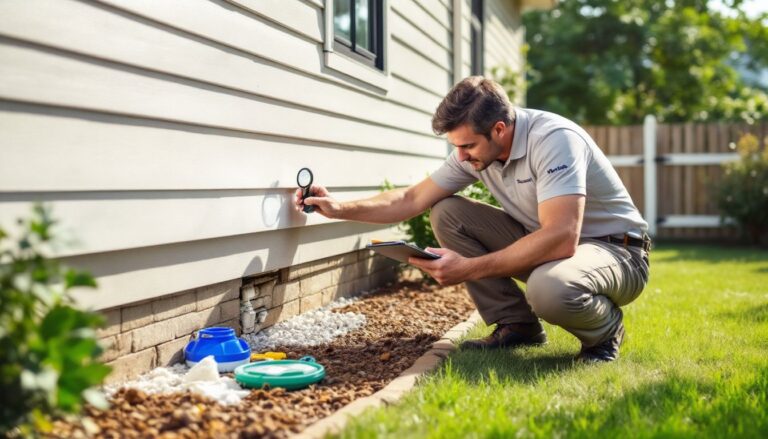
To confirm your pest, dig a 1-square-foot section about 3 inches deep. Look for white C-shaped grubs, count chinch bugs along the thatch line, or inspect for webworm tunnels and silk linings. If you’re unsure, snap a photo and contact your local Cooperative Extension office, they’ll identify your culprit free of charge.
DIY Pest Prevention Strategies That Actually Work
Soil Health, Watering Schedules, and Natural Barriers
The strongest pest defense isn’t a spray bottle, it’s a healthy, resilient lawn. Grass under stress invites pests. Start by testing your soil pH and nutrient levels through your extension office: most lawn pests thrive in slightly acidic soils (pH 6.0–6.5) that favor certain pest cycles. Aerate compacted soil in fall to improve water penetration and root depth, making grass more drought-resistant and less vulnerable to pest feeding.
Watering matters more than most homeowners realize. Deep, infrequent watering (1 to 1.5 inches per week, applied once or twice) encourages deeper roots and tougher grass than daily shallow sprinkling. Morning watering is ideal, it dries the blades, reducing fungal disease and making conditions less inviting for pests. Never overwater: excess moisture at the thatch layer creates ideal conditions for grubs and webworms to thrive.
Keep thatch under 0.5 inches. Excessive thatch insulates the soil and shelters pest larvae. If yours is thicker, dethatch in spring or early fall using a dethatching rake or renting a power dethatcher from a tool rental shop.
Mow high, at least 2.5 to 3 inches for cool-season grasses, 1.5 to 2 inches for warm-season types. Taller grass shades the soil, reducing pest activity and weed pressure. Never remove more than one-third of the blade height in a single cutting. Overly short grass stresses turf and opens the door for pests.
Natural barriers like diatomaceous earth (food-grade, applied when foliage is wet) can slow some surface-feeding pests, though results vary. Beneficial nematodes, microscopic organisms that parasitize grub larvae, are available commercially and work best applied in late summer or early spring when soil is moist and temperatures are mild (50–80°F). These won’t eradicate an established infestation alone but fit well into a long-term prevention strategy.
Organic and Chemical Treatment Options for Your Lawn
Once prevention hasn’t stopped the invasion, you’ll face a choice: organic or synthetic treatments. Neither is a silver bullet, and timing is critical.
Organic Options
Neem oil (extracted from neem tree seeds) disrupts feeding and reproduction in soft-bodied insects like chinch bugs and sod webworms. Apply in the cool of early morning or evening, when beneficial pollinators are less active. Coverage must be thorough, pests on lower leaf surfaces are easily missed. Expect 7–14 days for visible results. Neem requires repeat applications (every 7–10 days) and works best when combined with irrigation and thatch removal. It’s slower than synthetic alternatives but poses minimal risk to kids, pets, or earthworms once dry.
Botanical insecticides like spinosad (derived from soil bacteria) offer faster knockdown of armyworms and webworms within 24–48 hours. It’s less effective on soil-dwelling grubs. Apply in the evening to avoid harming bees. Spinosad breaks down quickly in sunlight, so reapplication may be necessary.
Bacillus thuringiensis (Bt) targets caterpillar-stage pests (armyworms, webworms) but is useless against grubs and chinch bugs. It’s gut-active, so pests must ingest it: again, evening applications and thorough coverage matter.
Synthetic Options
Chlorantraniliprole (brand names: Acelepryn, Grub GR) targets grubs and is applied as a granule in late spring or early summer, before peak egg-laying. It’s highly effective and long-lasting (3+ months). It’s less toxic to mammals than older chemistries and breaks down in soil without accumulating.
Imidacloprid, a neonicotinoid, works against grubs and some surface feeders. It’s been restricted in some regions due to concerns about pollinators, so check local regulations before use. If approved, apply to dry turf and water in thoroughly.
Deltamethrin and bifenthrin are broad-spectrum pyrethroids effective against chinch bugs, armyworms, and webworms. They act quickly (12–24 hours) but are more toxic to non-target insects. Use them only when pest pressure is high and other methods have failed.
Golden Rules for Any Treatment
Read and follow the label exactly, it’s not a suggestion, it’s the law. Wear gloves, long sleeves, and a dust mask when applying granules or powders. Avoid treating in extreme heat (above 85°F for most products) or rain is forecast within 48 hours. Time applications to peak pest activity (usually late May to early June for grubs, mid-July to August for webworms and chinch bugs). One application rarely fixes a multi-year problem: you may need to treat two years in a row to break the cycle.
When to Call a Professional and What to Expect
Sometimes the job calls for a pro. If your infestation covers more than 50% of your lawn, you’ve tried DIY treatments without success, or you have young children and pets and want a licensed applicator to handle chemicals, it’s time to dial a specialist.
Professionals can scout your property, identify pests with certainty, and recommend integrated pest management (IPM), a strategy that combines prevention, monitoring, and targeted treatment. They’ll likely charge $150–$400 for an inspection and treatment plan, depending on your region and lawn size.
Treatment costs vary widely. A single grub application might run $300–$600 for a typical residential lot, while recurring chinch bug or webworm control could cost $200–$400 per service. Some operators offer seasonal plans (spring and fall treatments) at discounted rates. Ask about guarantees, reputable companies will retreat at no charge if pests return within a specified window (usually 30 days).
Before hiring, verify licensing. Most states require a pesticide applicator license, and some jurisdictions mandate specific certifications for lawn care. Don’t assume the cheapest quote is the best: confirm that they’re using appropriate products for your specific pest and conditions. A professional working under Pest Control Saratoga NY: standards or similar regional guidelines should walk you through their approach and leave documentation of what was applied.
Conclusion
Lawn pest control doesn’t require panic or a pesticide arsenal. Start with soil health, proper watering, and smart mowing. Scout for pests early and treat at the right time with the right tool, whether that’s beneficial nematodes, a targeted organic spray, or a call to a licensed professional. Most pest problems are symptoms of stress: fix the underlying conditions, and you’ll naturally lower your pest pressure. Your lawn won’t be perfect, but it’ll be yours, maintained with intelligence rather than fear.